A mind map for studying turns class notes, chapters, and exam topics into a visual structure that is easier to review and remember. Students can use mind maps for lecture notes, revision plans, essay outlines, research summaries, and complex subjects where relationships matter. This guide explains how the study method works, when to use it, and how to create study mind maps with templates.
For related study workflows, see mind maps for note-taking and mind mapping techniques.
What Is a Mind Map for Studying?
A mind map for studying is a visual tool that enhances study techniques by organizing information around a central concept in a way that mirrors our natural thought processes. It allows students to break down complex subjects into manageable parts, visually connecting ideas and concepts. This method is particularly beneficial in learning environments, aiding in memorization and comprehension.
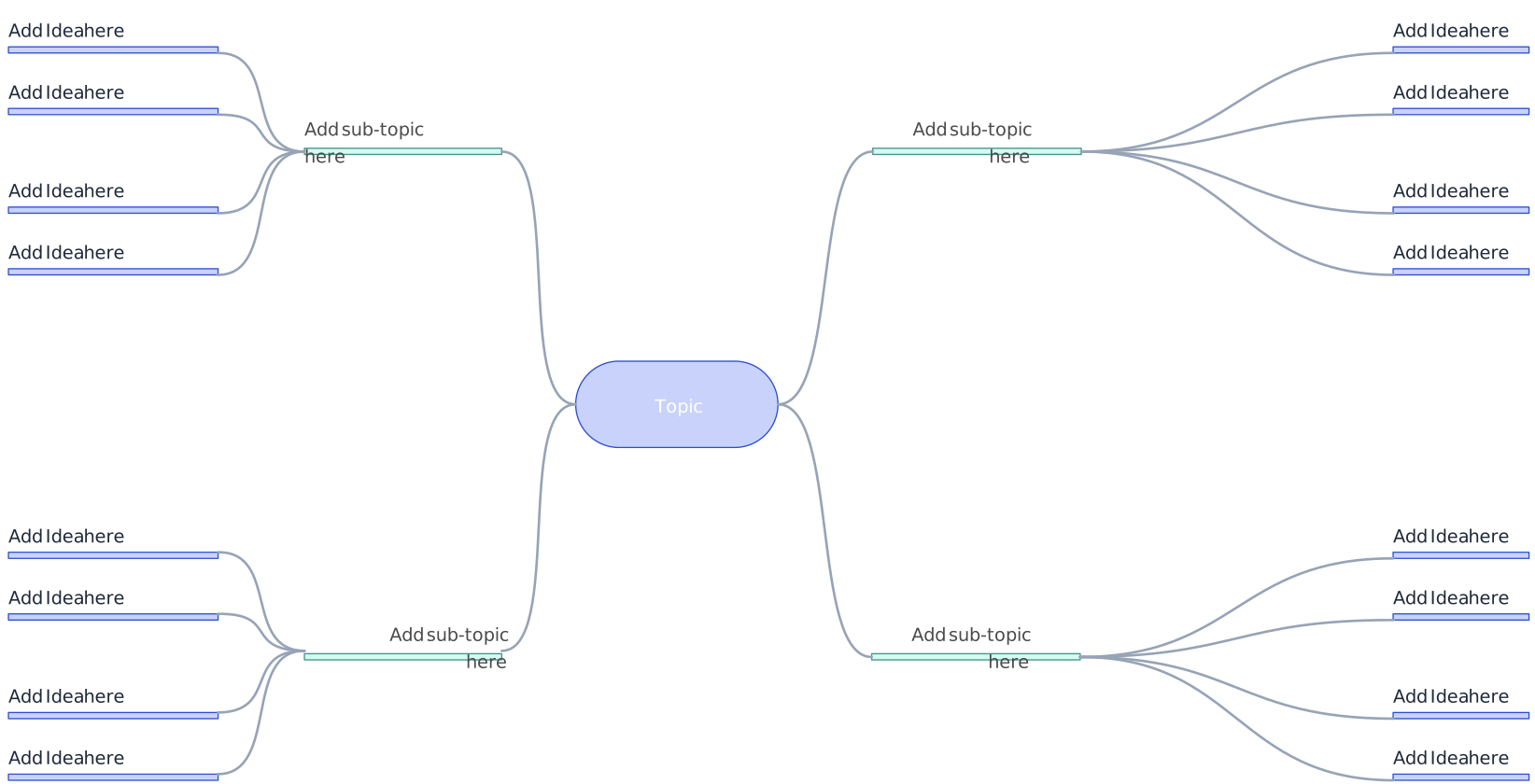
Mind maps are structured like a spider diagram with a core idea at the center, and associated themes radiating outward. This approach helps in organizing thoughts more intuitively, making complex subjects easier to grasp. By visually displaying how concepts interrelate, mind maps serve as an effective strategy for brainstorming and problem-solving, fostering creativity.
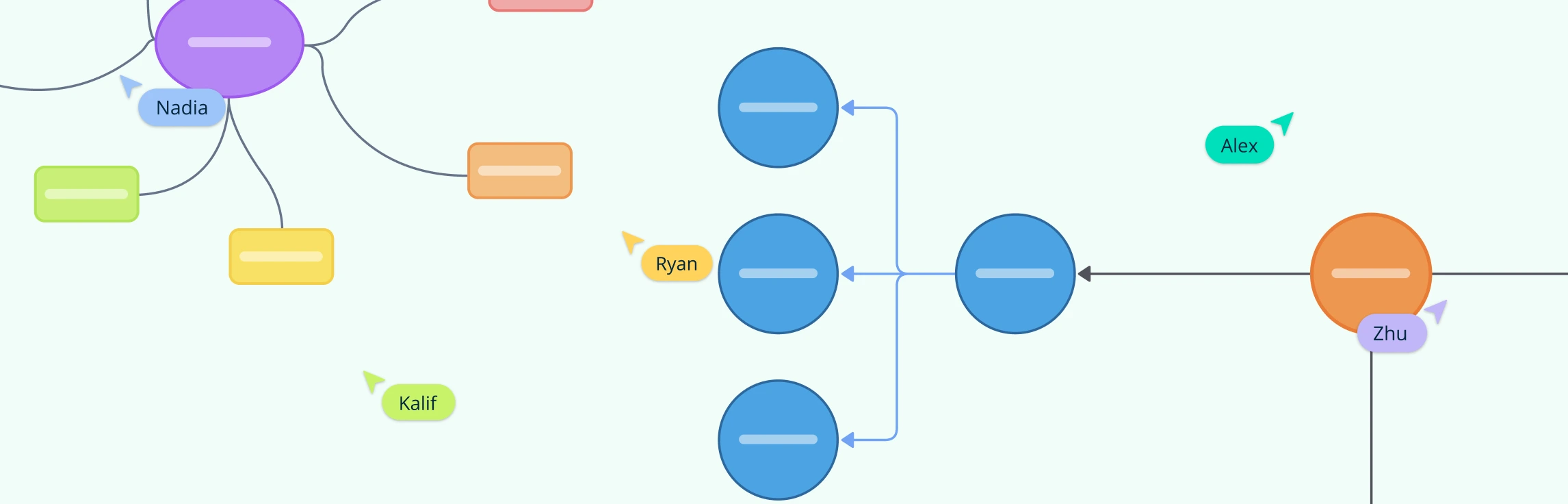
With a mind map maker, students can create mind maps online for real-time collaboration and better idea structuring. These digital resources help students visualize and synthesize information effectively, integrating images and colors to boost memory retention and understanding.

Step-by-Step Guide on How to Make a Mind Map for Studying
Creating a mind map for studying can transform the way you learn and retain information. Here’s a step-by-step guide to help you effectively design a mind map that can elevate your study game:
1. Identify the Core Concept
Start with a blank sheet or digital canvas. At the center, write down the main topic you wish to explore. This will serve as the nucleus from which all related ideas branch out. For example, take the topic of the chapter you are studying as the central idea.
2. Branch Out Logically
Create branches that represent the key themes or categories related to your core concept. Connect these branches using lines to visualize relationships and hierarchies. These branches can be the subtopics under the chapter you selected. The subsequent branches for each subtopic can include the key points and information.
3. Adopt Color Coding
Use different colors for each branch to facilitate better memory retention. Color coding your mind map for studying can act as visual cues, making it easier to recall related concepts.
4. Incorporate Visual Elements
Add symbols and images to your mind map for studying. These elements can make complex subjects more digestible and leave a lasting impression on your memory.
5. Utilize Keywords and Phrases
Keep your text concise and impactful. Use keywords and short phrases instead of full sentences, as they allow for quicker information retrieval. The purpose of a mind map for studying is to help learners quickly grasp and recall ideas without having to read through blocks of text.
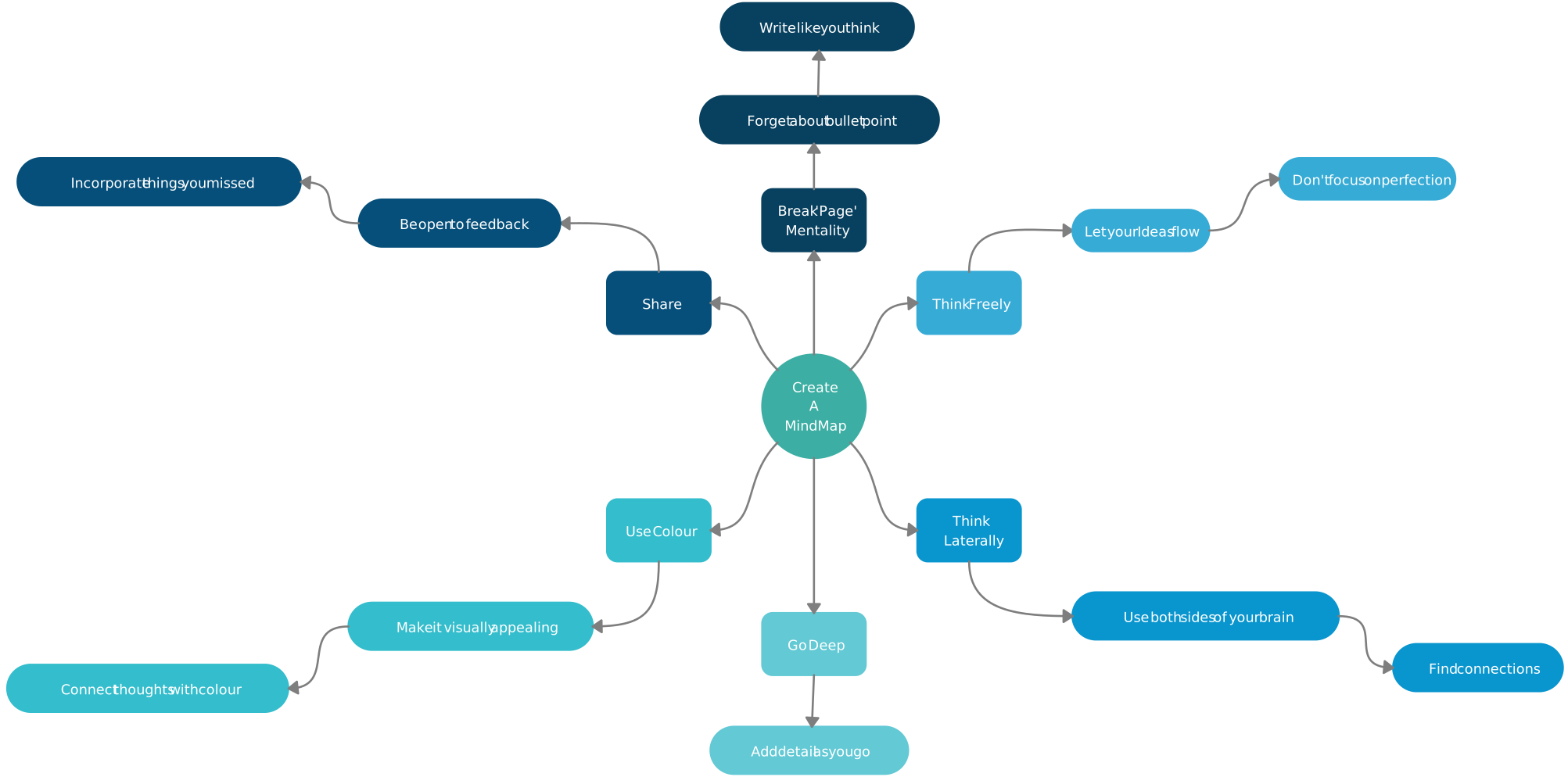
A mind map for studying fosters active engagement with the material, enhancing comprehension and aiding in knowledge retention. By following these steps, you can create a mind map for studying that not only organizes information but also inspires creative learning pathways.
Mind Mapping for Students: Techniques and Templates
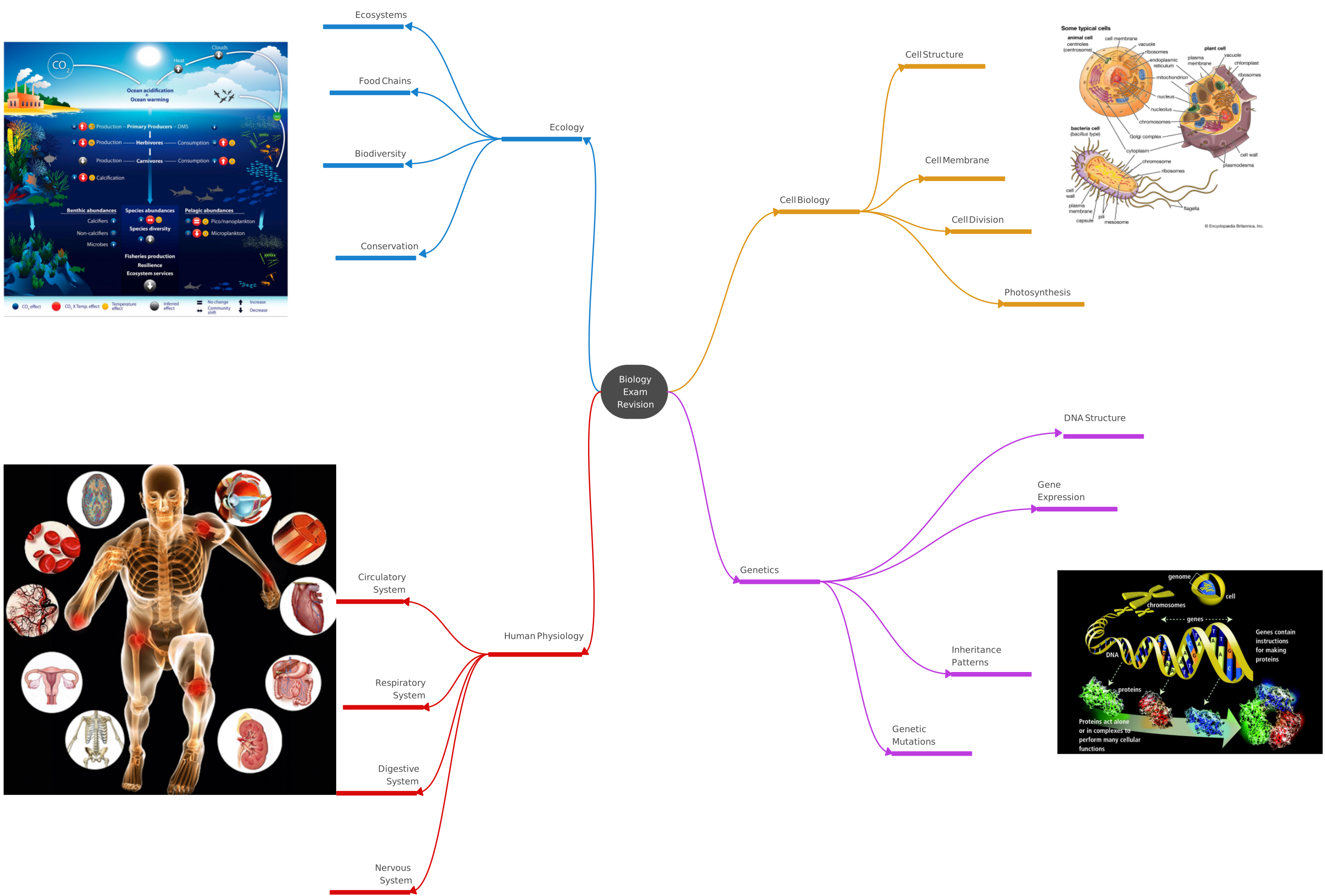
There are different ways to use a mind map for studying. It can be used for note-taking, brainstorming, presentations, essay writing, theory comprehension, academic research, exam revisions, and more. This section takes a look at a few of these techniques with a template for better understanding.
Mind Map for Note-Taking
Conventional note-taking involves jotting down points in the order they are presented by a lecturer or teacher. However, by using mind maps for note-taking, a learner can sketch out the lecture in a logical manner and illustrate the relationships between points at the same time. This makes the material easier to understand and remember.
Brainstorming with Mind Maps
Brainstorming is one of the key applications with a mind map for studying. It is an effective way to illustrate ideas during the thinking process. Students frequently use this technique to explore and organize their thoughts, identify connections between ideas, and develop creative solutions.
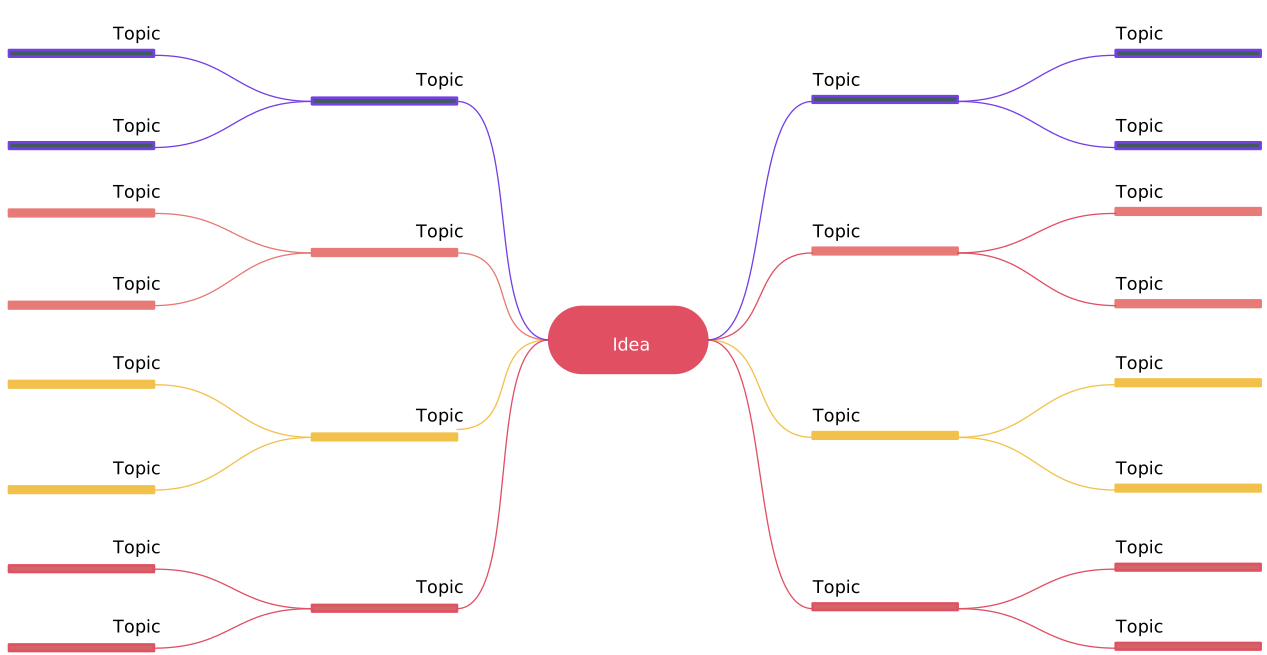
Essay Writing with Mind Maps
When planning an essay, a mind map helps structure ideas and ensure logical flow. Students can start with the central thesis and branch out into supporting arguments, examples, and conclusions. This method prevents writer’s block and ensures all critical points are covered.

Theory Comprehension Using Mind Maps
Complex theories in subjects like science or philosophy can be broken down into more digestible parts using a mind map. By organizing concepts, definitions, and their relationships visually, students can better understand and retain theoretical material. This is another key application where a mind map for studying is highly useful.
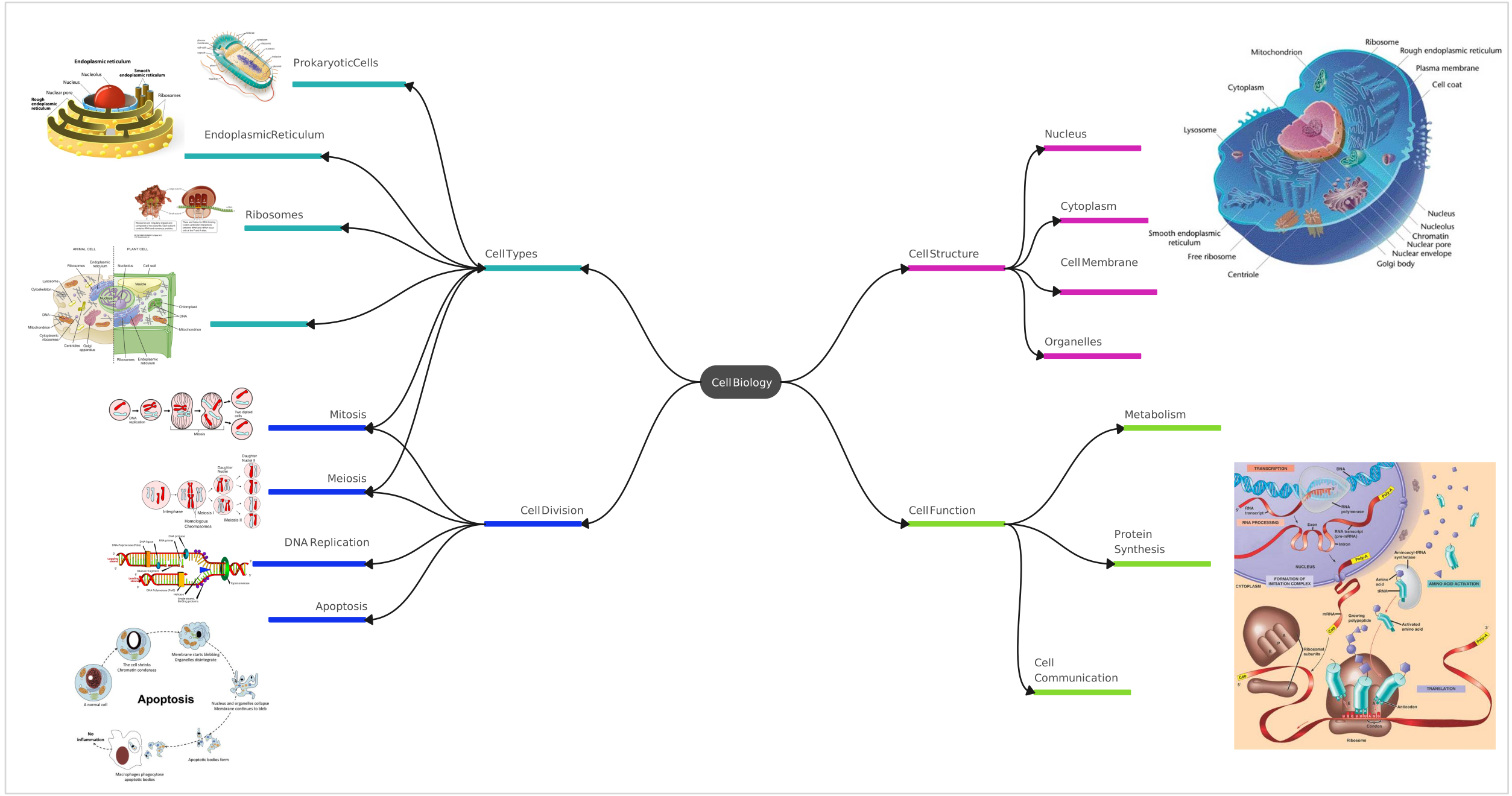
Academic Research and Mind Maps
Mind mapping can streamline the research process by helping students organize their findings and sources. Starting with a central research question, they can branch out into subtopics, key studies, and arguments, creating a clear roadmap for their paper.
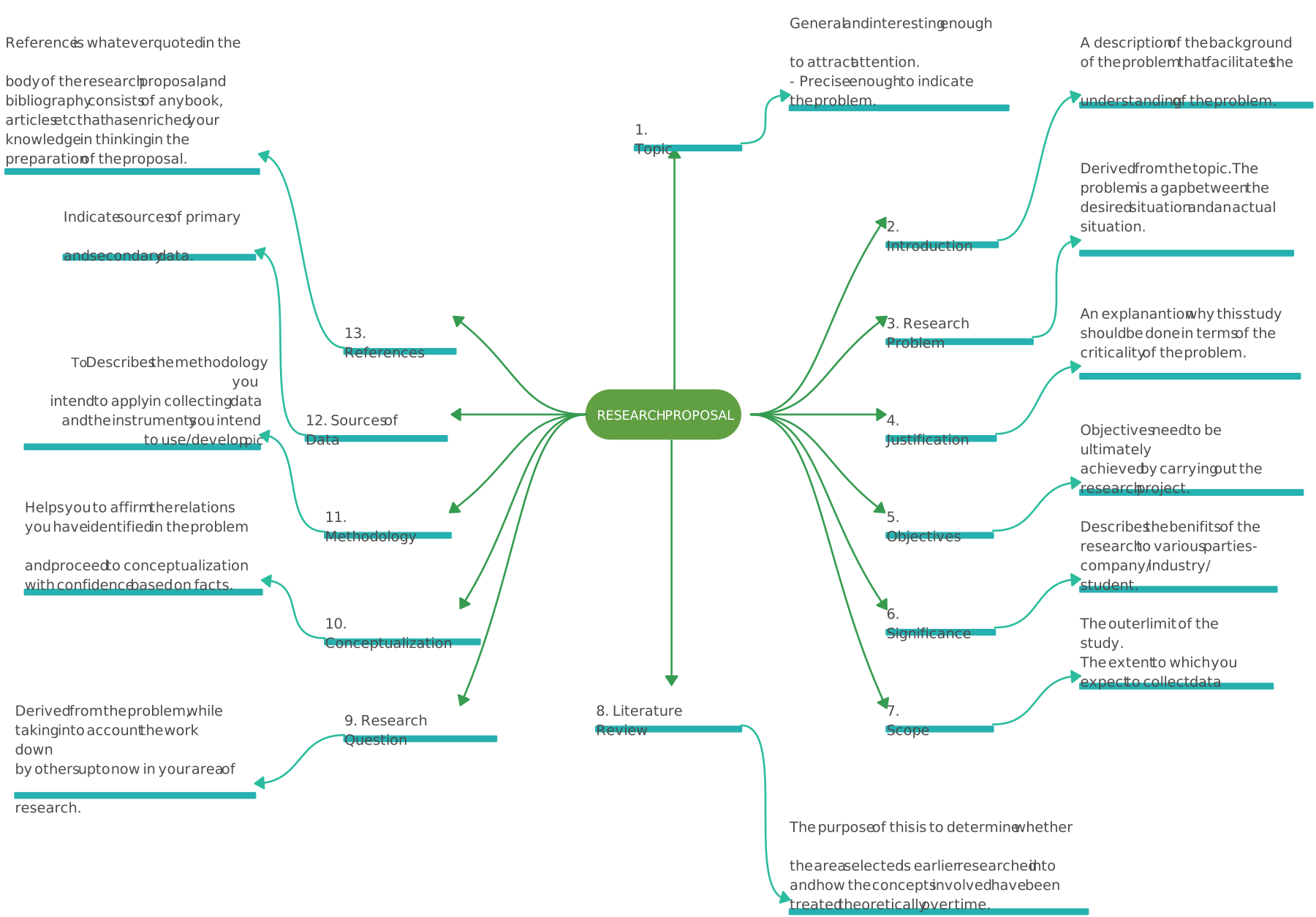
Mind Mapping for Exam Revisions
When revising for exams, a mind map for studying can serve as a quick reference tool that encapsulates entire chapters in a visual summary. By focusing on key concepts and their interconnections, students can review large volumes of information efficiently.
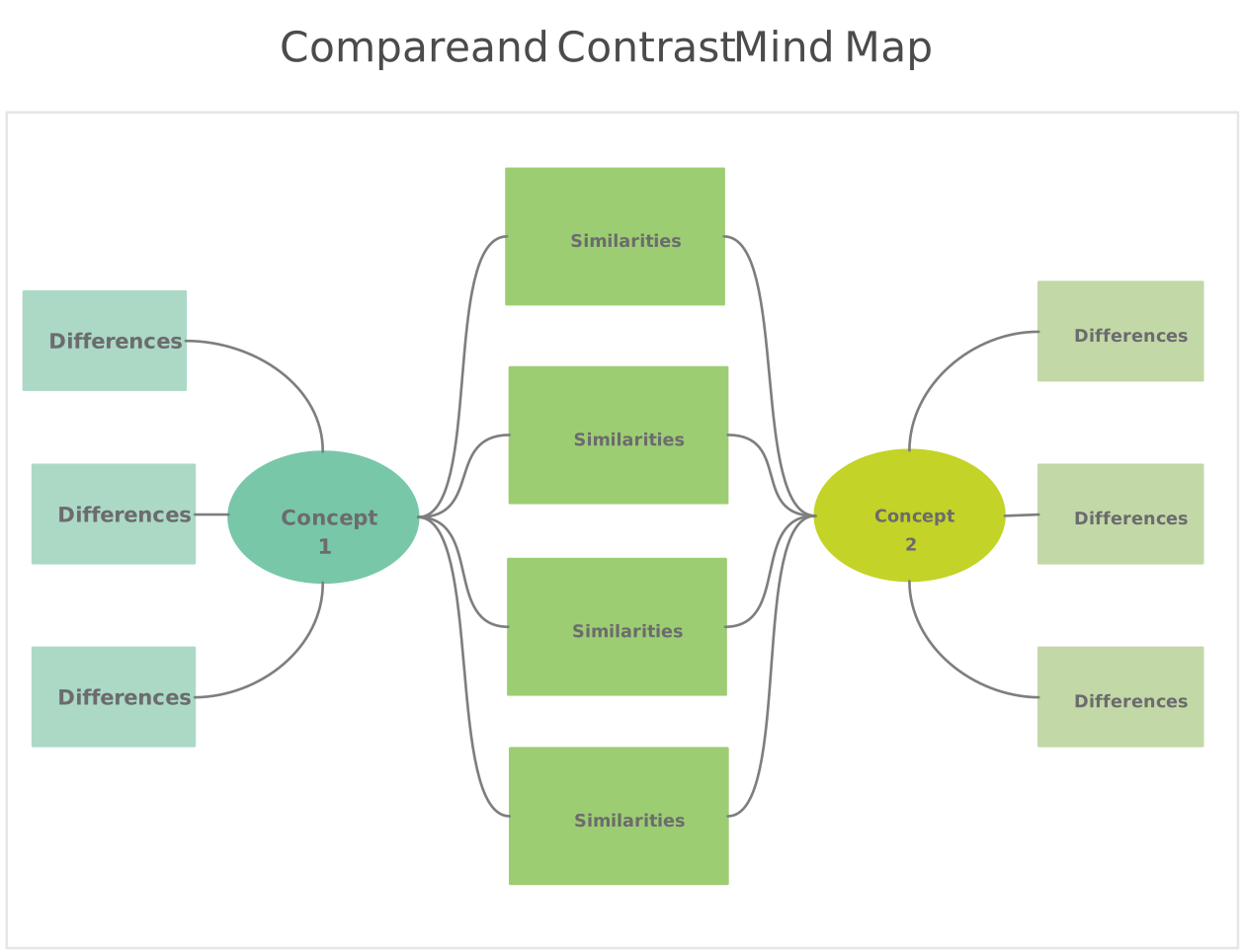
Compare and Contrast Mind Map Template
A comparison mind map for studying helps students analyze similarities and differences between two or more topics in a clear, visual format. By organizing key points side by side, it simplifies complex comparisons, enhances critical thinking, and supports a better understanding of relationships between concepts. Ideal for essays, debates, and exam preparation, this template is a versatile tool for any subject.
With these tips, mind mapping for students becomes an engaging method to transform complex subjects into simple, relatable frameworks and unlocks a powerful approach to creative thinking and learning.
Integrating Mind Maps into Your Study Routine
Incorporating a mind map for studying into your daily routine can transform the way you absorb and retain information. By doing this consistently, you ensure that the technique becomes second nature, reinforcing your understanding and recall abilities. Here’s how you can seamlessly integrate mind mapping for students into your study habits:
- Start with a morning review: Begin your day by reviewing a mind map of the key topics you’ll encounter. This primes your brain to recognize and recall pertinent information throughout your learning sessions.
- Visual summaries: After learning a new concept, summarize the key points using a mind map for studying. This helps solidify your understanding and makes revision easier.
- Weekly recaps: Set aside time at the end of each week to create a comprehensive mind map covering all the topics learned. This not only boosts knowledge retention but also helps identify areas needing further review.
- Collaborative study sessions: Use collaborative tools to work with peers on your mind map for studying. This enhances learning through shared insights and knowledge exchange.
The Benefits of Using A Mind Map for Studying
Mind maps are an invaluable tool for students, offering a range of benefits that enhance both the learning process and academic performance.
1. Enhances Memory Retention
A mind map for studying organizes information visually, making it easier to recall complex concepts. The combination of colors, shapes, and connections helps activate visual memory, aiding in long-term retention and quicker recall during exams or assignments.
2. Facilitates Visual Learning
By transforming raw data into engaging visuals, mind maps allow students to see the bigger picture while understanding the relationships between ideas. This visual approach simplifies complex subjects, enabling better comprehension and more effective study sessions.
3. Boosts Collaborative Learning
Digital mind-mapping tools like Creately foster collaboration by allowing students and educators to co-create maps in real time. This promotes idea-sharing, teamwork, and a richer learning environment, especially in group projects or classroom discussions.
4. Improves Organizational Skills
Mind maps help students structure their thoughts and organize study material logically. This is particularly useful for project planning, essay writing, and revising for exams, ensuring that no critical points are overlooked.
5. Encourages Creative Thinking
The flexible structure of mind maps encourages students to think outside the box. Whether brainstorming ideas or solving problems, mind maps inspire creativity by allowing for free-flowing connections between concepts.
6. Supports Holistic Learning
A mind map for studying integrates various learning resources—notes, textbooks, and online materials—into a centralized visual framework. This holistic approach helps students see how different topics interrelate, deepening their understanding and making connections across subjects.
7. Reduces Study Stress
Breaking down large volumes of information into manageable chunks can make studying less overwhelming. A mind map for studying provides clarity and structure, helping students approach their studies with confidence and focus.
8. Enhances Instructional Design
Educators can use a mind map for studying to design lesson plans and instructional materials that cater to different learning styles. This dynamic tool makes teaching more interactive and engaging, improving overall student engagement and comprehension.
Incorporating mind maps into your study routine not only improves academic performance but also transforms learning into a more engaging, collaborative, and effective experience.
Helpful Resources
Explores what mind maps are, their history, key features, benefits, and practical uses.
Whether you’re planning a project, brainstorming ideas, or studying for an exam, this guide will help you use mind maps effectively.
Visually map out ideas and collaborate with team members to organize and structure information, innovations, and processes.
Use mind maps online to visualize ideas and concepts for collaborative brainstorming, creative thinking, problem-solving, and so much more.
Explore the differences between concept map vs mind map, and discuss their unique uses to help you decide which tool is right for your needs.
Mind Mapping Tools for Studying: Traditional vs. Digital
Mind mapping is both an art and a science that works with traditional and digital tools like Creately. While traditional mind mapping has been around for a long time, using digital tools to create a mind map for studying has become increasingly popular. Each approach has its own advantages and potential drawbacks, which can influence how effective mind mapping for studying becomes. Here’s a quick comparison of traditional mind mapping and digital mind mapping with Creately.
Aspect | Traditional Mind Maps | Mind Mapping with Creately |
| Flexibility |
|
|
| Features |
|
|
| Collaboration |
|
|
| Accessibility |
|
|
When choosing between traditional and digital mind-mapping tools, consider your specific needs, resources, and the learning environment. Using software like Creately provides a superior digital platform that maximizes the potential of mind mapping for students through a centralized, accessible workspace. Ultimately, combining the tactile engagement of traditional methods with the advanced features of digital tools can offer the most well-rounded approach to creating an effective mind map for studying.
Conclusion: Embrace Mind Mapping for Academic Success
As we explore the world of mind maps, it becomes clear how valuable they can be for academic work. With their ability to visually organize complex information, mind maps for studying not only enhance understanding but also streamline the learning process. Students and educators alike can benefit from incorporating mind mapping into educational methods, allowing for more coherent and creative expression of ideas.
By weaving mind maps into your study routine, you can transform seemingly daunting topics into manageable, interconnected concepts. The emphasis on visualization and strategic planning ensures that learners grasp material more swiftly and retain information over the long term. Additionally, tools like Creately offer innovative solutions for creating effective and engaging educational diagrams.
Whether you are a student looking to optimize your learning techniques, or an educator aiming to enrich classroom activities, embracing mind mapping can significantly contribute to academic success and continuous knowledge enhancement.
FAQs on Mind Mapping for Studying
Is mind mapping good for studying?
How is mind mapping used in education?
How do you make a concept map for studying?
What are the 4 basic ways to create a mind map?
Resources:
D’Antoni, A.V. and Zipp, G.P. (2006). Applications of the Mind Map Learning Technique in Chiropractic Education: A Pilot Study and Literature Review. Journal of Chiropractic Humanities, 13, pp.2–11. doi:doi.org/10.1016/s1556-3499(13)60153-9.
Goodnough, K. and Woods, R. (2002). Student and Teacher Perceptions of Mind Mapping: A Middle School Case Study. [online] ERIC. Available at:www.eric.ed.gov/?id=ED470970.
Wickramasinghe, A., Widanapathirana, N., Kuruppu, O., Liyanage, I. and Karunathilake, I. (2007). Effectiveness of mind maps as a learning tool for medical students. South-East Asian Journal of Medical Education, 1(1), p.30. doi:www.doi.org/10.4038/seajme.v1i1.506.