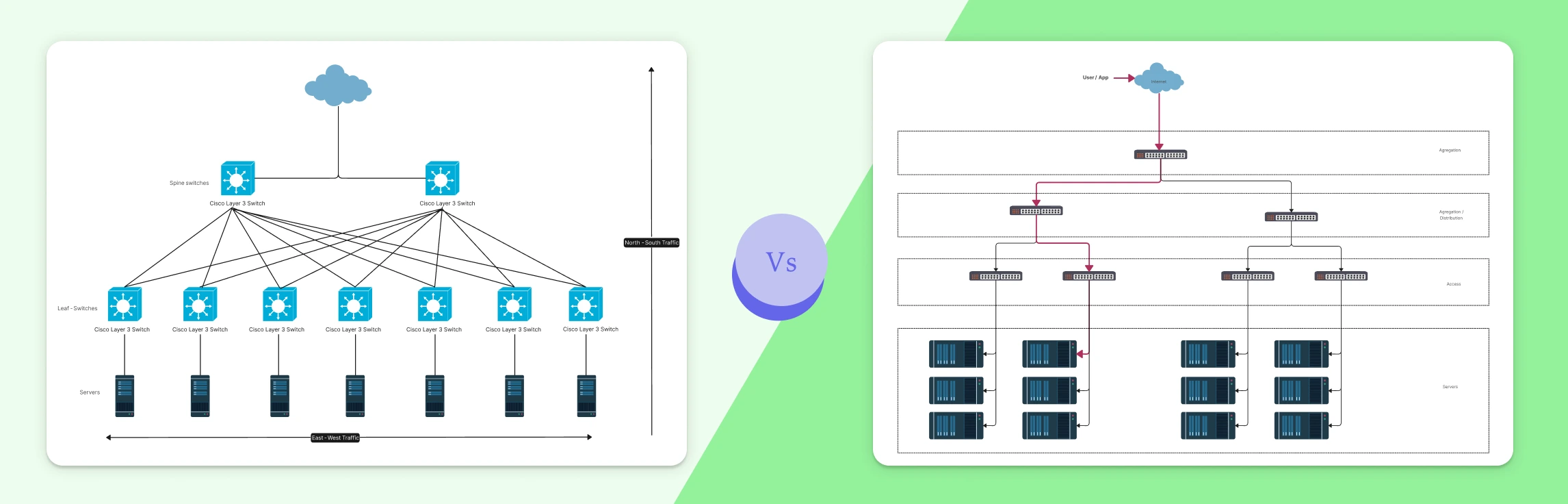
Modern applications don’t just send traffic in one direction. Requests move into systems from users, flow across internal services, and fan out across increasingly complex architectures. Understanding the difference between North–South and East–West traffic is essential for making sense of how modern networks actually behave. This guide breaks down both traffic patterns, shows how they differ in real-world environments like data centers and microservices, and explains why visualizing these flows matters for performance, security, and reliability today.
What Is North–South Network Traffic?
North–South traffic is the communication that flows into and out of your network, such as users accessing an application or data being sent back to the internet. It’s the traffic most teams are familiar with because it’s visible, easy to track, and closely tied to user experience. When North–South network traffic slows down or breaks, the impact is immediate and obvious. But as modern systems grow more distributed, focusing only on this edge traffic can hide what’s happening deeper inside the network, where many issues actually begin.
What Is East–West Network Traffic?
East–West traffic is the communication that happens inside your network, between services, servers, containers, and databases. It’s the traffic users never see, but it’s what keeps modern applications running behind the scenes. When something feels slow, unreliable, or hard to debug, the root cause is often hidden in these internal interactions. As systems move toward microservices, Kubernetes, and cloud platforms, East West traffic grows rapidly, making it essential to understand and visualize, not just assume it’s working.
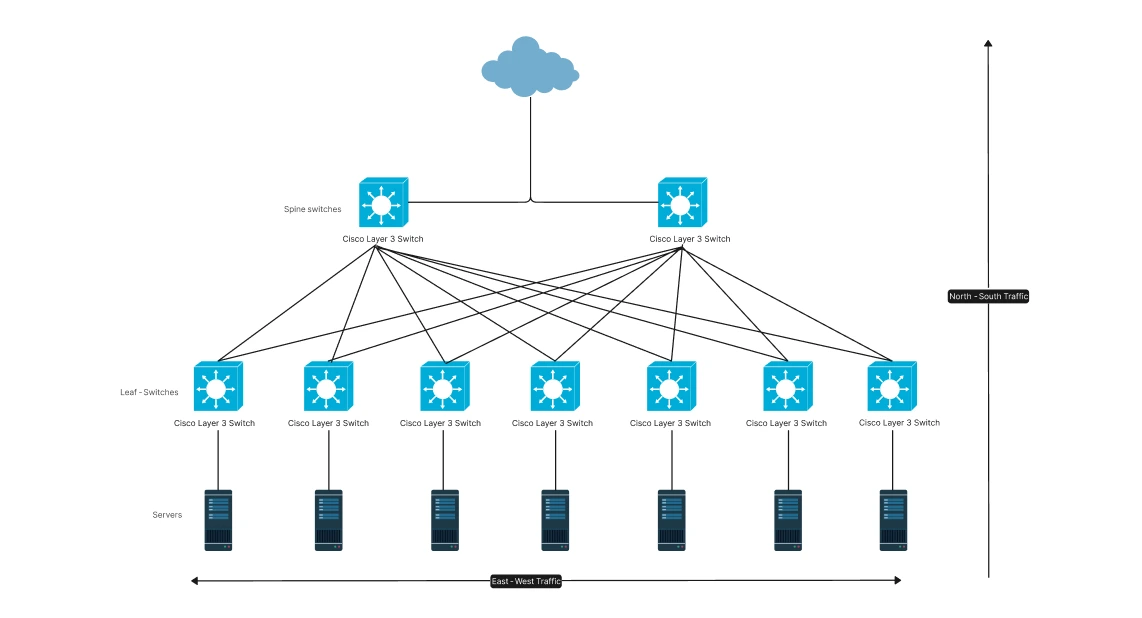
East–West Vs North–South Traffic: A Comparison
East–West and North–South network traffic serve very different roles in a network. The East West traffic Vs North South comparison in the table below breaks down their key differences and why those distinctions matter in modern architectures.
| Aspect | North–South Network Traffic | East–West Network Traffic |
| Direction | Enters and exits the network | Moves laterally within the network |
| Primary actors | Users, external systems | Internal services, servers, pods |
| Typical examples | User requests, public APIs, web traffic | Service-to-service calls, pod-to-pod traffic |
| Visibility | Easier to monitor at the perimeter | Harder to see without internal mapping |
| Failure impact | Immediate and user-facing | Often silent, cascading internally |
| Security focus | Perimeter defense (firewalls, gateways) | Lateral movement control, segmentation |
| Dominance today | Important but stable | Rapidly growing in cloud and microservices |
| Best visualized with | Edge and ingress diagrams | Service maps and internal flow diagrams |
Once you understand how East–West and North–South traffic differ, the next step is making both patterns visible. By drawing a clear network diagram, teams can see how traffic enters, moves through, and flows within their systems.
Comparison of Real-World Examples
The easiest way to understand the difference between North–South and East West network traffic is to see them in action. The examples below show how a single user request follows very different paths at the network edge (North-South) versus inside the system (East-West).
North–South Network Traffic Example
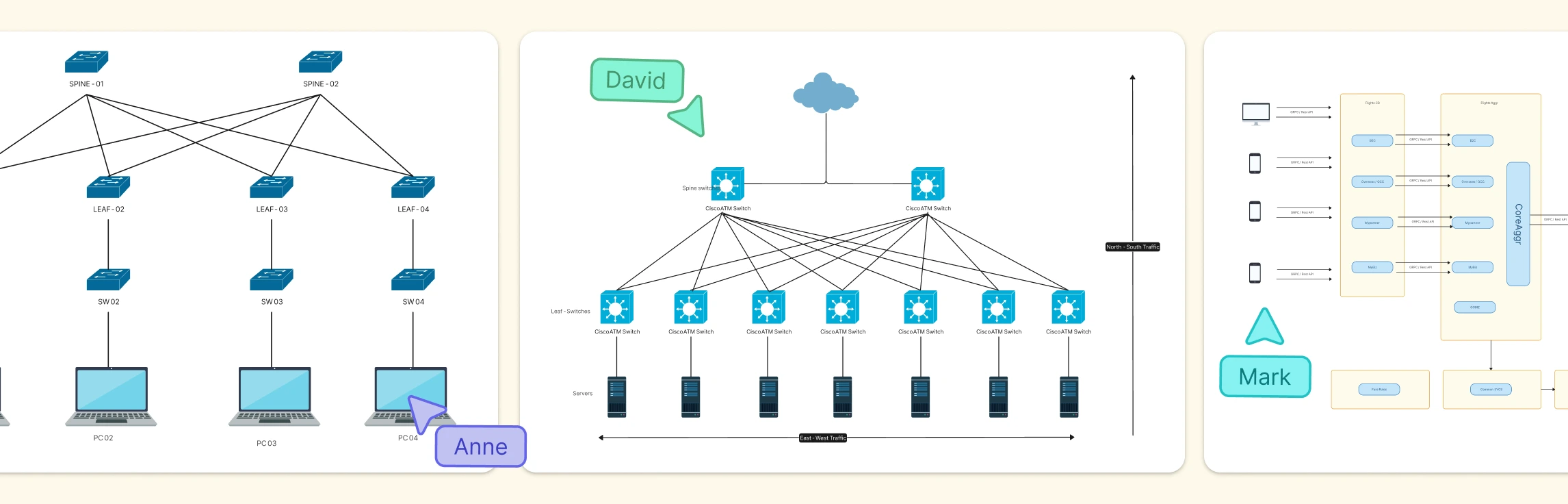
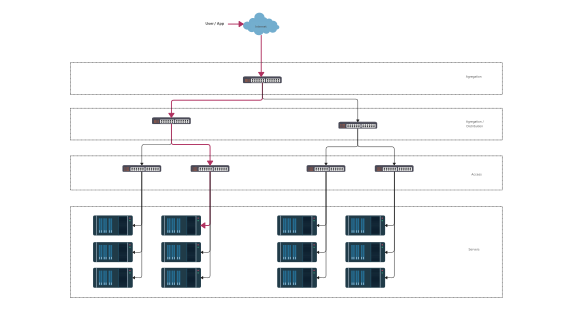
In a data center environment like the example below, North–South traffic shows how users interact with applications hosted inside the network. As shown by the red arrow in the diagram, a request comes in from the internet, passes through perimeter components such as firewalls and load balancers, reaches the application servers in the data center, and then exits the network as a response. This traffic path is easy to follow, and any issue along it like high latency or downtime is quickly visible to users.

East–West Traffic Example
In contrast, East–West network traffic shows what happens after that initial request enters the system. In this microservices example, the frontend service triggers multiple internal service-to-service interactions such as authentication checks, payment processing, and inventory lookups across different microservices. These requests move laterally inside the network and never leave it. Because this traffic is internal, highly dynamic, and spread across many microservices, problems here are harder to spot, but they can still have a major impact on overall performance and reliability.
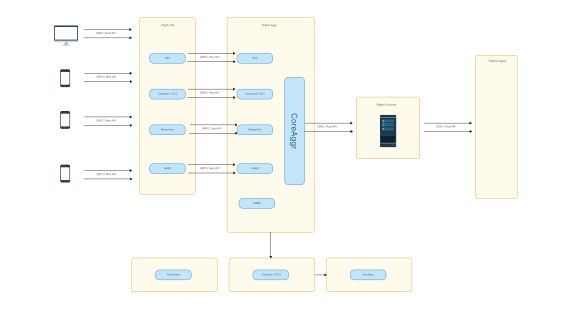
Together, these examples show why modern systems can’t focus only on traffic at the network edge. Understanding and visualizing internal East West network traffic is just as critical as managing North–South flows. With Creately’s network diagram software, you can map these traffic flows using consistent, shareable diagrams, so everyone has a common understanding of how the network is structured and where attention is needed next.
Why Understanding Traffic Direction Matters
The difference between East West Vs North South traffic has real consequences in today’s distributed systems.
Most traffic is now internal — microservices, containers, and cloud platforms generate far more East West network traffic than user-facing flows.
Problems often start inside the network — performance issues and failures frequently originate in service-to-service communication, not at the edge.
Security risks have shifted — perimeter defenses protect North–South traffic, but East West traffic introduces lateral movement risks.
Troubleshooting has become harder — internal traffic paths are dynamic and less visible, making root cause analysis more complex.
Where you focus determines outcomes — understanding the difference helps teams know when to prioritize user access versus internal reliability and security.
Which Traffic Type to Prioritize
Deciding whether to prioritize North South Vs East West traffic depends on where your system experiences the most complexity and risk.
Prioritize North–South traffic when your main concern is user access, uptime, and performance at the network edge. This includes public-facing applications, APIs, and scenarios where slow responses or outages are immediately visible to users.
Prioritize East–West traffic when your architecture is built on microservices, containers, or distributed systems. As internal service-to-service communication increases, performance issues and security risks are more likely to originate inside the network.
Prioritize both as systems scale or change. Moving to the cloud, adopting Kubernetes, or breaking monoliths into microservices shifts traffic patterns, making it essential to understand both how traffic enters the system and how it flows internally.
Prioritizing the right traffic type at the right time helps teams stay ahead of issues and scale with confidence.
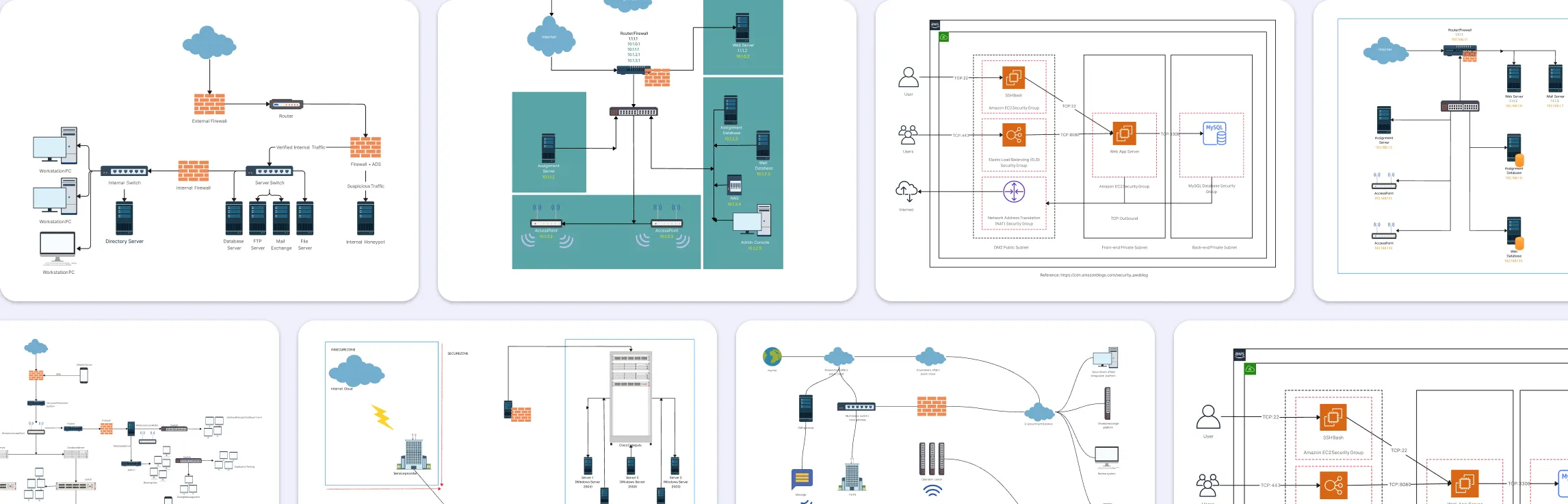
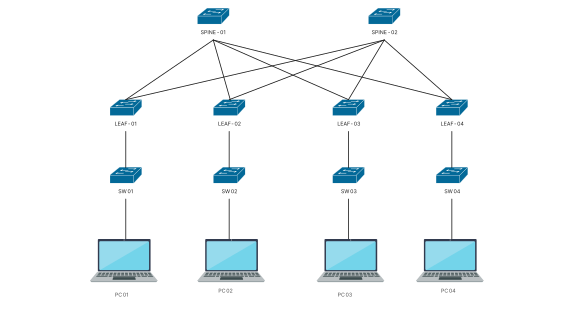
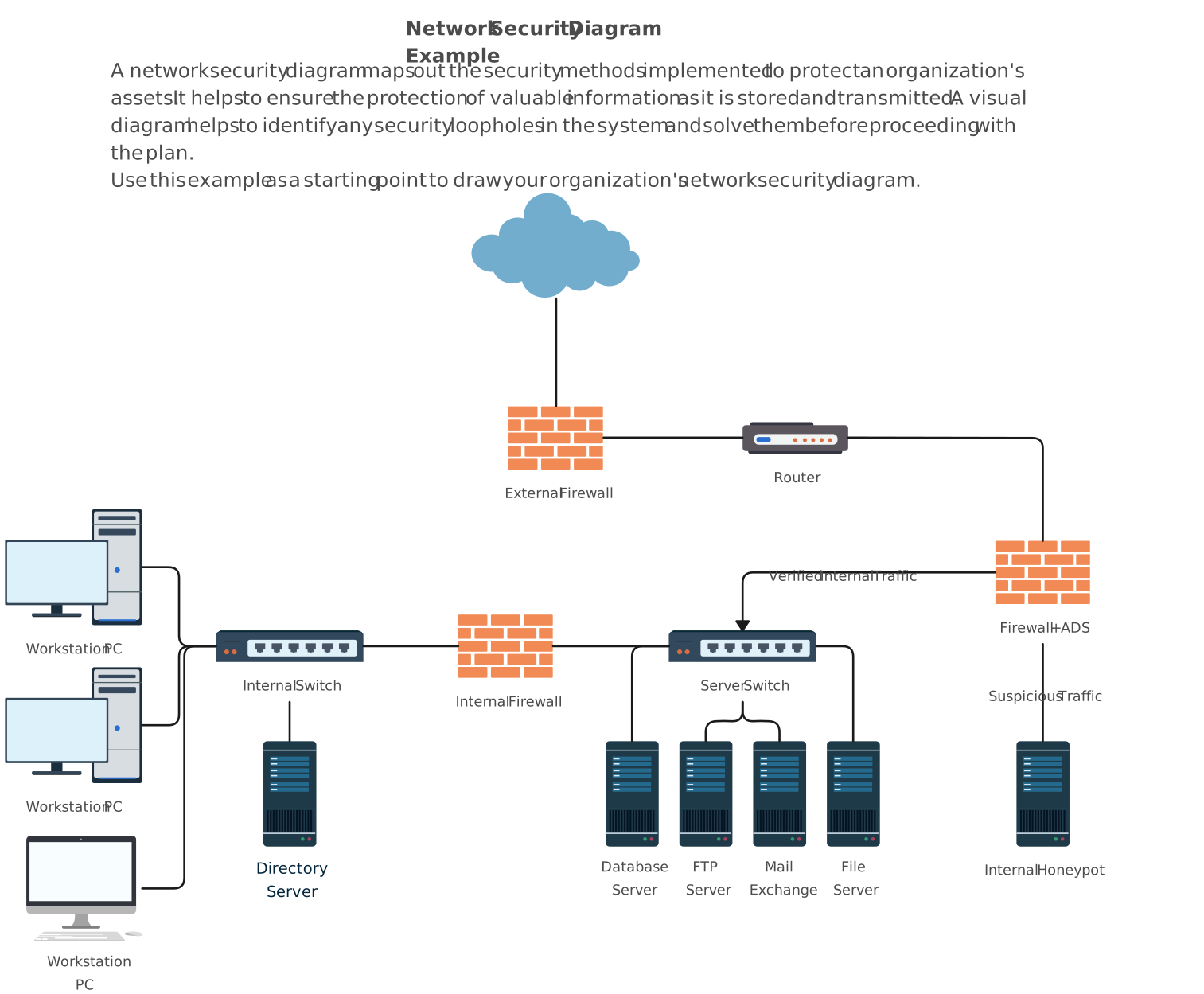
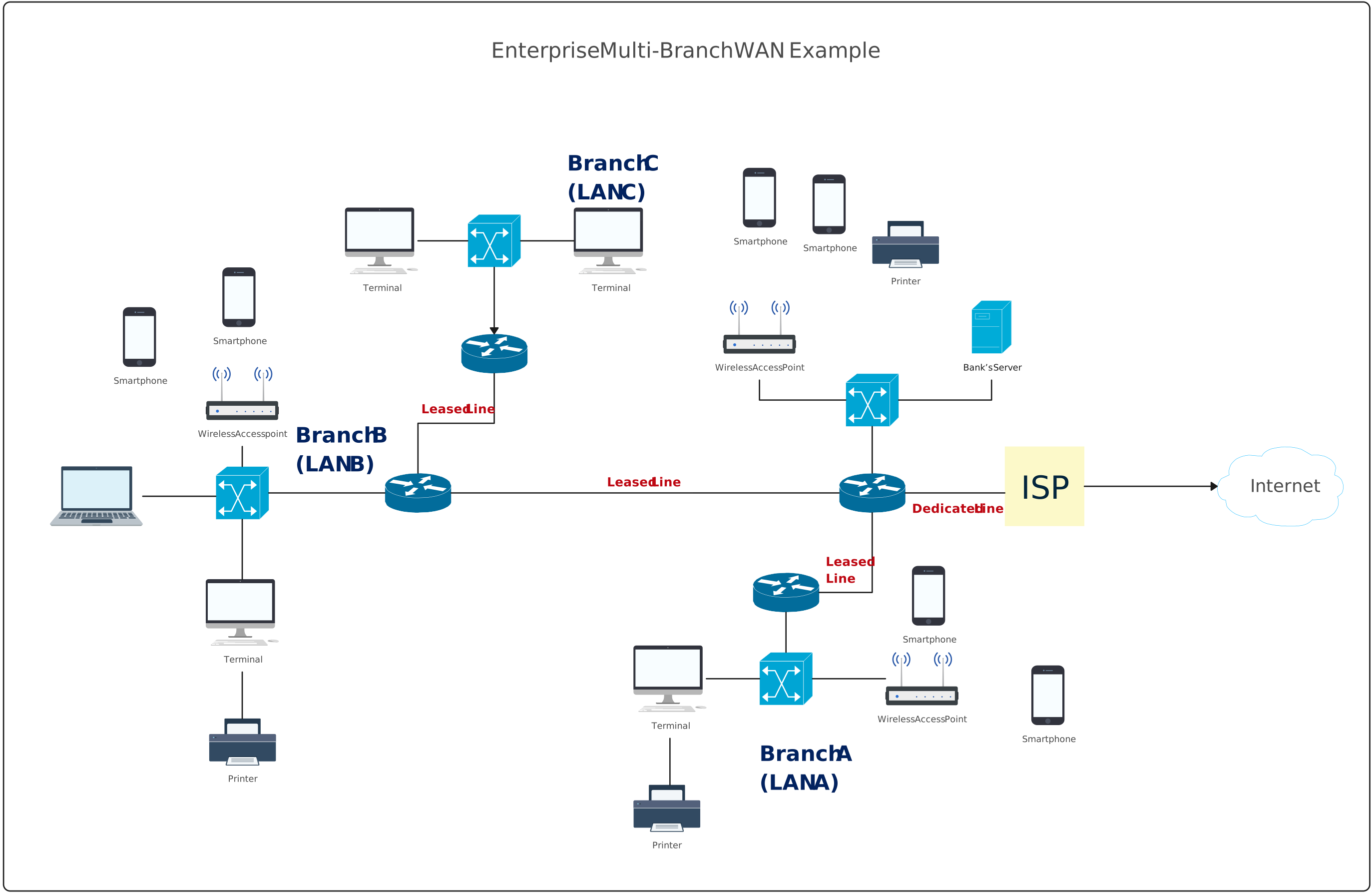
Free Network Diagram Templates to Get Started


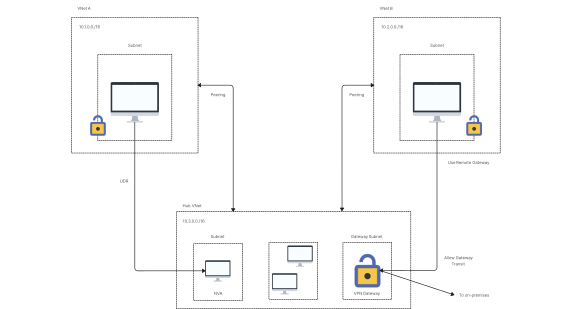
Helpful Resources for Building Network Diagrams
Learn about the different types of network diagrams with examples.
Discover the different types of network topology and their use cases.
Learn about the Partial Mesh Network, why its used, and real-world examples.
Discover different types of mesh topology examples for real-world use cases
FAQs about East–West Vs North–South Traffic
Which type of network traffic is more common in modern architectures?
Why is East West traffic harder to monitor than North South network traffic?
Does North–South traffic still matter today?
How do security concerns differ between North South traffic Vs East West?
Resources
Andersson, Robert H, et al. Flipping the Data Center Network: Increasing East-West Capacity Using Existing Hardware. 1 Oct. 2017, pp. 211–214, https://doi.org/10.1109/lcn.2017.92.
Maswood, Mirza Mohd Shahriar, et al. “Energy-Efficient Dynamic Virtual Network Traffic Engineering for North-South Traffic in Multi-Location Data Center Networks.” Computer Networks, vol. 125, Oct. 2017, pp. 90–102, https://doi.org/10.1016/j.comnet.2017.04.042.