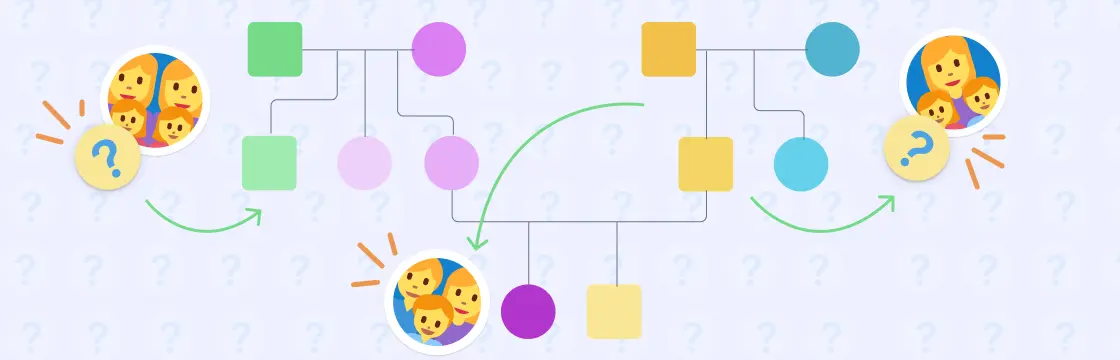
Whether you are a mental health professional seeking to enhance your therapeutic approach or an individual eager to gain a deeper understanding of your family roots, this post will help you with a comprehensive collection of genogram questions.
We will explore a range of genogram questions to ask when creating a genogram and to help gain insight into family structures, relationships, generational patterns, communication styles, medical conditions and more.
Genogram Questions
When conducting an interview to create a genogram, you should ask questions in various areas to gather comprehensive information about the individual’s family history and relationships. Following are the key areas you should focus on during the genogram interview or genogram exercise:
Remember, these are just examples of genogram questions, and the specific questions asked during the interview may vary depending on the therapist’s approach and the individual’s unique family situation. The goal is to make a comprehensive and accurate genogram that provides insights into the family dynamics and relationships to guide the therapeutic process effectively.
- Family Structure
- Family Relationships
- Parent-Child Relationships
- Co-Parenting and Blended Family Dynamics
- Family History
- Family Roles
- Communication Patterns
- Family Values and Beliefs
- Parenting Styles
- Parenting Challenges and Support Systems
- Intergenerational Patterns
- Support Systems
- Family Health and Well-being
- Educational and Occupational Background
- Migration and Relocation
Family structure related genogram questions
Focus on understanding the individual’s immediate and extended family members, including names, ages, and relationships. Explore significant family events and any step-family or blended family dynamics.
- Talk about your immediate family members, including names, ages, and occupations? (Talk about your partner/spouse and children if you have any.)
- How do you define family, and who would you consider as part of your family beyond blood relatives?
- Are there any significant family events, like marriages, divorces, or adoptions that you are aware of?
- Do you have any half-siblings or step-family members? How do you feel about these relationships?
- Have there been any significant losses in your family, such as the passing of a family member or estrangement?
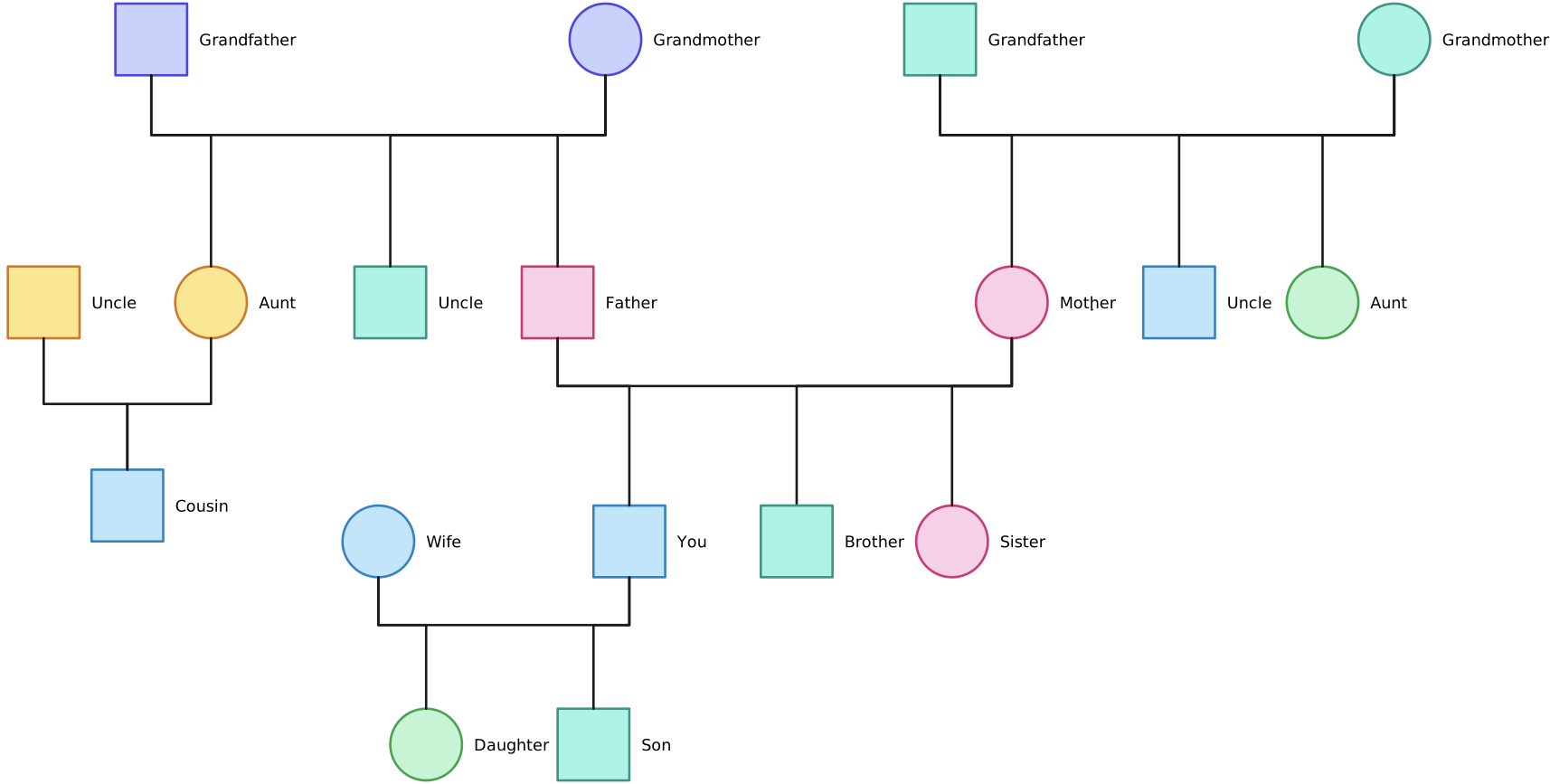

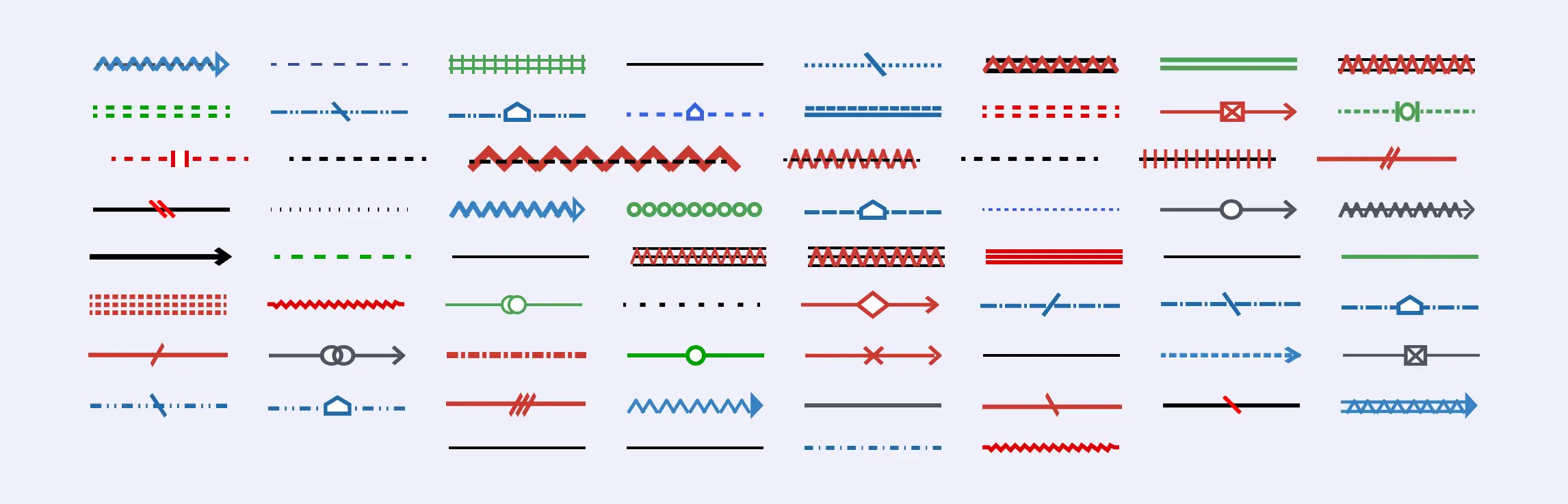
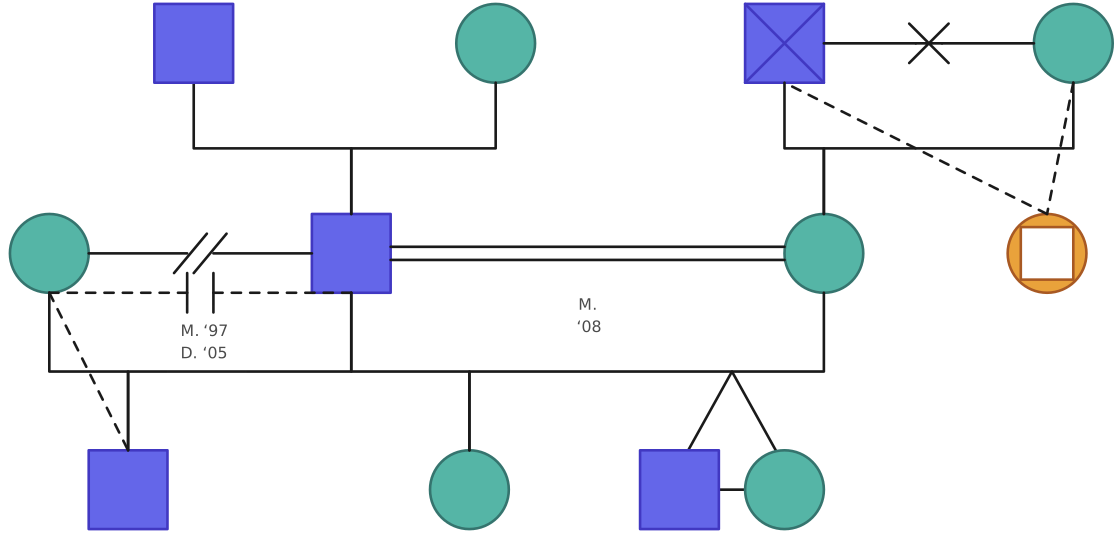
Not the template you’re looking for? Check out the full collection of genogram templates. We also offer a comprehensive set of genogram symbols which include medical genogram shapes, gender based genogram shapes, cultural genogram shapes and a lot more.
Family relationships related genogram questions
Look at the quality of relationships between the individual and their family members, including parents, siblings, and other relatives. Aim to uncover closeness, conflicts, and any unresolved issues within the family.
- How would you describe your relationship with your parents? Is it different with each parent?
- Can you tell about your relationship with your siblings? Do you feel close to them?
- How would you describe your relationship with your partner/spouse?
- How are your relationships with your children individually?
- How do you communicate with your family members? Are there any patterns in your interactions?
- Are there any family members you feel particularly connected to or emotionally distant from?
- Have there been any major conflicts or unresolved issues within your family?
Parent-child relationships related genogram questions
Explore the dynamics between the adult client and their children. Aim to understand the client’s parenting style, how they handle discipline, and how they show affection and support to their children.
- What is your parenting style, and how do you handle discipline with your children?
- How do you show affection and support to your children?
- Are there any challenges or conflicts you experience in your relationships with your children?
Co-parenting and blended family dynamics genogram questions
Delve into the complexities of co-parenting and blended family dynamics, specifically relevant to the adult client with children. Understand how the client navigates parenting responsibilities with their partner/spouse, especially if they are co-parenting with an ex-partner.
- If applicable, how do you and your partner/spouse handle co-parenting or blended family dynamics?
- How do your children get along with their step-siblings or half-siblings (if applicable)?
- Are there any specific challenges or successes you’ve encountered in navigating these dynamics?
Family history related genogram reflection questions
Explore the family’s history, including significant life events, traditions, and patterns that have occurred over generations. The questions also cover migrations or relocations that impacted the family.
- Can you share any significant family traditions or rituals that have been passed down through generations?
- Has your family experienced any major relocations or migrations? How did it impact your family?
- What are some memorable family stories or anecdotes that have been handed down over the years?
- Has your family been involved in any notable historical or cultural events?
- Are there any specific roles or occupations that seem to recur in your family’s history?
Family roles related genogram interview questions
Understand the roles and responsibilities of each family member within the family system. Explore how these roles have changed over time.
- How do different family members contribute to decision-making within the family?
- Are there any traditional gender roles or expectations in your family? How have they evolved?
- Have there been any changes in family roles due to significant life events or transitions?
- Do certain family members take on specific roles during times of conflict or crisis?
- How do you feel about the role you play within your family?
Communication patterns related genogram questions
Understand how family members communicate with each other. Examine the presence of open communication and any communication barriers within the family.
- How do family members express affection and support for each other?
- Are there any barriers to effective communication within your family?
- How are conflicts typically addressed and resolved in your family?
- Are there any family members who are better at communicating emotions than others?
- Have there been any changes in communication patterns over time?
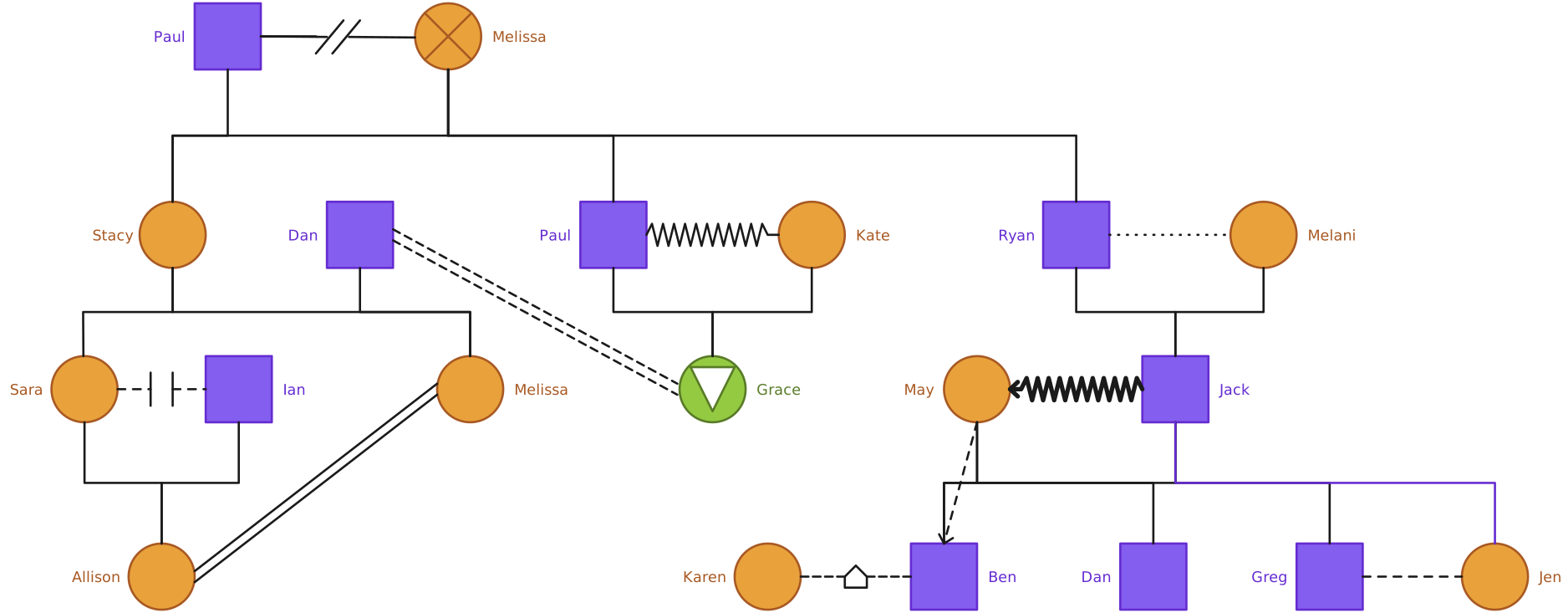
Family values and beliefs related genogram questions
Explore the important values and beliefs within the family and how they influence decision-making and interactions among family members.
- What are some core values or beliefs that are highly regarded within your family?
- How do these values influence decision-making and family dynamics?
- Are there any religious or cultural beliefs that play a significant role in your family?
- Have there been any instances where family members had differing beliefs that caused conflicts?
- How do family members respond to changes or challenges to their beliefs?
Parenting styles related genogram interview questions
Learn about the individual’s upbringing and how they were parented. Explore their own parenting style if they have children.
- How were you parented, and how do you feel it has shaped you as an individual?
- What parenting practices do you admire or want to emulate from your parents?
- Are there any aspects of your parents’ parenting that you would like to do differently with your own children (if applicable)?
- How do you approach discipline or setting boundaries with your children (if applicable)?
- How do your parenting values align or differ from those of your parents?
Parenting challenges and support systems related genogram questions
Understand the specific challenges the adult client faces as a parent. Explore the difficulties, obstacles, or concerns they encounter in their parenting journey.
- What are some of the most rewarding aspects of parenting for you?
- What are the biggest challenges you face as a parent, and how do you cope with them?
- Who do you turn to for support or advice in your parenting journey?
Intergenerational patterns related genogram questions
Identify any recurring themes or patterns across multiple generations in the family. Understand how these patterns may have influenced the individual’s life.
- Can you identify any patterns or traits that seem to run through multiple generations in your family?
- How do you think these intergenerational patterns have influenced your life choices or behaviors?
- Are there any specific positive or negative behaviors that you have inherited from your family?
- Have you noticed any intergenerational patterns related to mental health or coping strategies?
Support systems related genogram questions
Discover who the individual turns to for support within the family or outside of it. Explore availability and sources of support within the family system.
- Who are the go-to people within your family when you need support or advice?
- Are there any family members who are particularly good at providing emotional support?
- How does your family support each other during challenging times or crises?
- Are there any external support systems, like close friends or community, that you rely on?
- Have there been instances where you felt unsupported by your family during difficult times?
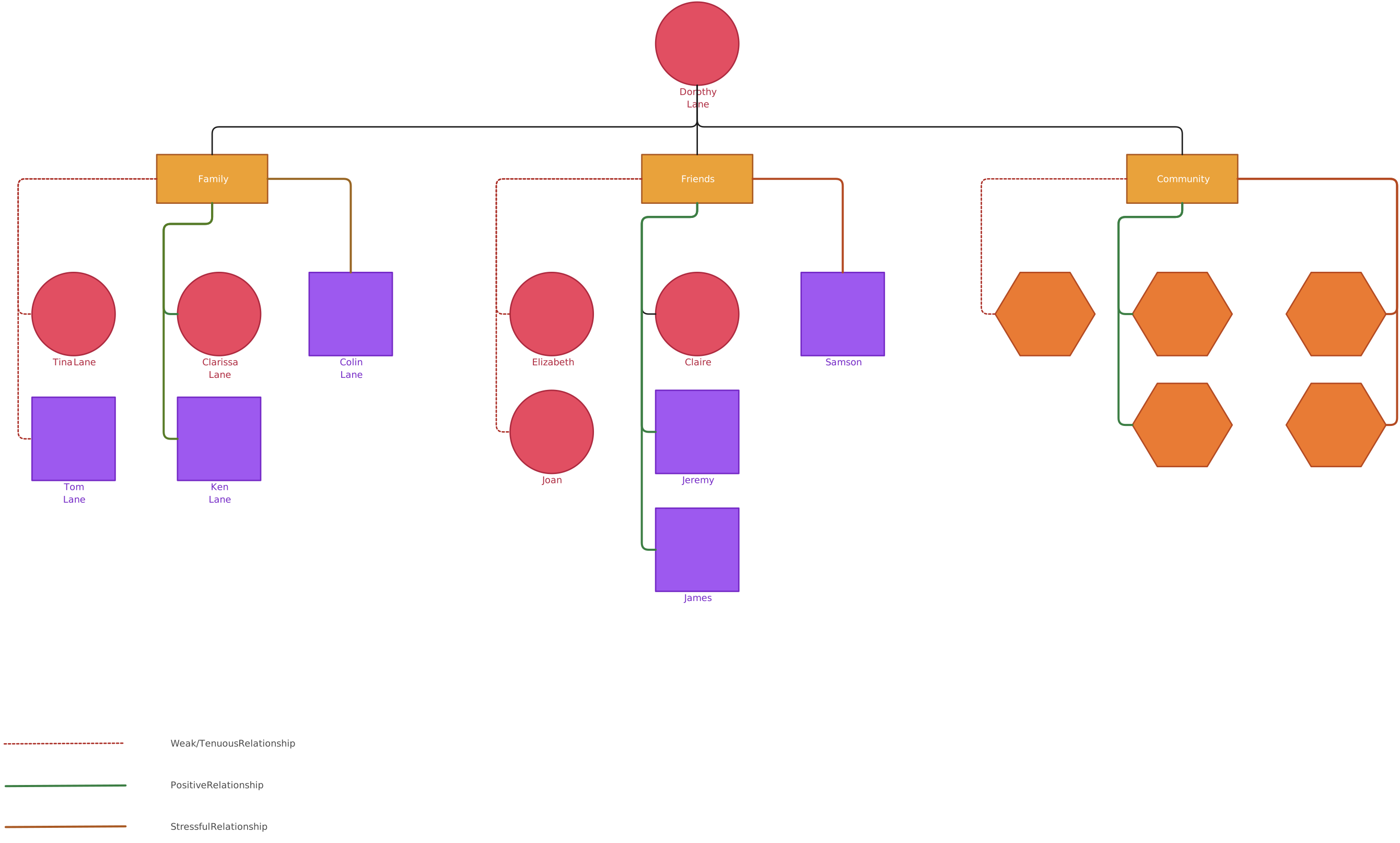
Family health and well-being related genogram interview questions
Address any significant health concerns or hereditary conditions within the family. Explore how the family handles health challenges and supports each other during difficult times.
- Are there any hereditary health conditions that run in your family?
- How does your family approach maintaining physical health and well-being?
- How do family members cope with mental health challenges or emotional difficulties?
- Have there been any instances of chronic illnesses or disabilities within your family?
- How does your family handle end-of-life discussions and decisions?
- How do you approach maintaining physical health and overall well-being for yourself and your children?
Educational and occupational background related genogram questions
Understand the educational and occupational backgrounds of various family members. Explore any significant achievements or challenges related to education or careers within the family.
- What are the educational backgrounds of various family members?
- Have there been any significant educational achievements or challenges within your family?
- What career paths have family members pursued, and are there any patterns or themes?
- How do family members support each other in educational or career pursuits?
- Have there been any instances of intergenerational career choices or legacies?
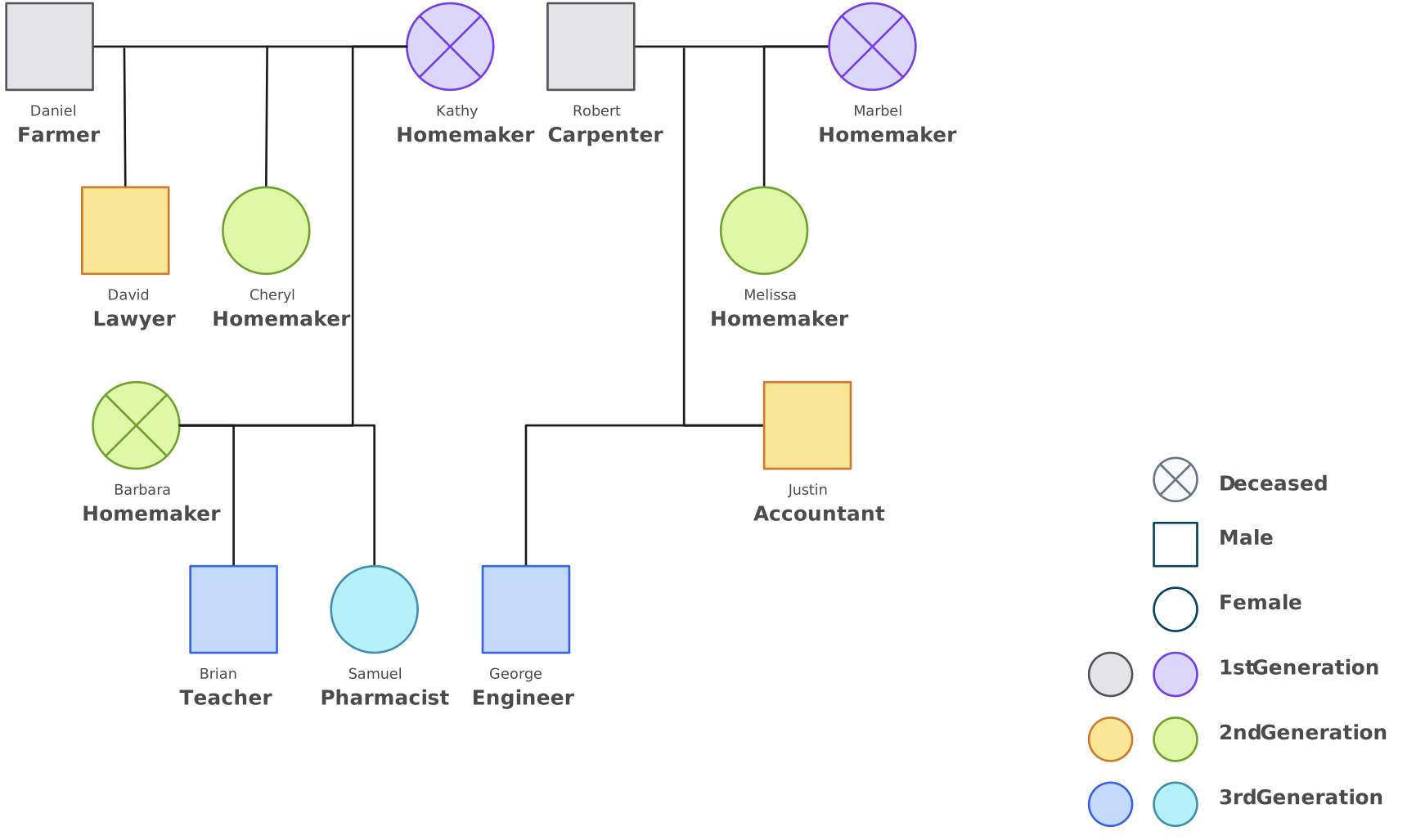
Migration and relocation related genogram interview questions
Explore any significant migrations or relocations experienced by the family. Examine these events may have impacted family relationships and dynamics.
- Has your family experienced any significant relocations, either within the country or internationally?
- How have these migrations affected family relationships and dynamics?
- Have family members moved away from each other, and how does it impact family connections?
- Are there any cultural or social adjustments that have arisen due to migration?
- How do family members maintain connections with distant relatives or family members in other locations?
Explore how to effectively use genograms in social work practice and how to collaboratively use them with clients with these guides.
- Exploring the Power of Genograms in Social Work Practice
- Using Genograms as a Diagnostic Tool in Client Counseling