A mesh topology connects devices through multiple redundant paths instead of a single central link, making networks more reliable, fault-tolerant, and scalable. This guide covers real world mesh topology examples, from internet backbone routing and wireless mesh networks to home Wi-Fi systems, data center interconnections, emergency communication networks, and peer-to-peer architectures to help you understand how mesh designs work in practice and draw accurate network diagrams.
Top 10 Mesh Topology Examples to Get Started
1. Basic Mesh Network Topology Template
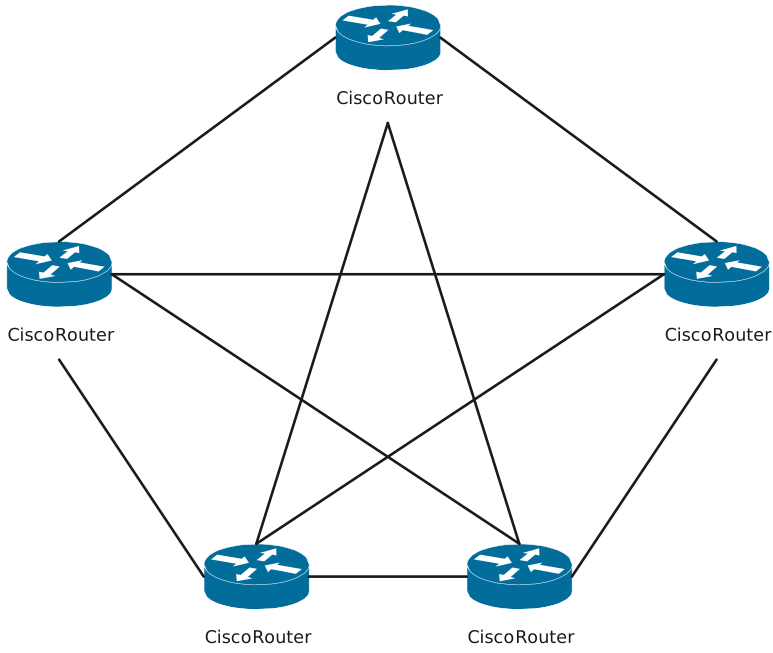
This simple diagram uses Cisco routers to illustrate a full mesh topology example, with each router connected to multiple others to create redundant paths. While conceptual, it reflects real-world designs used in ISP backbone networks, data centers, and wireless mesh deployments, making it an effective learning example for understanding how mesh networks improve reliability, fault tolerance, and routing flexibility in practice.

2. Campus Wireless Mesh
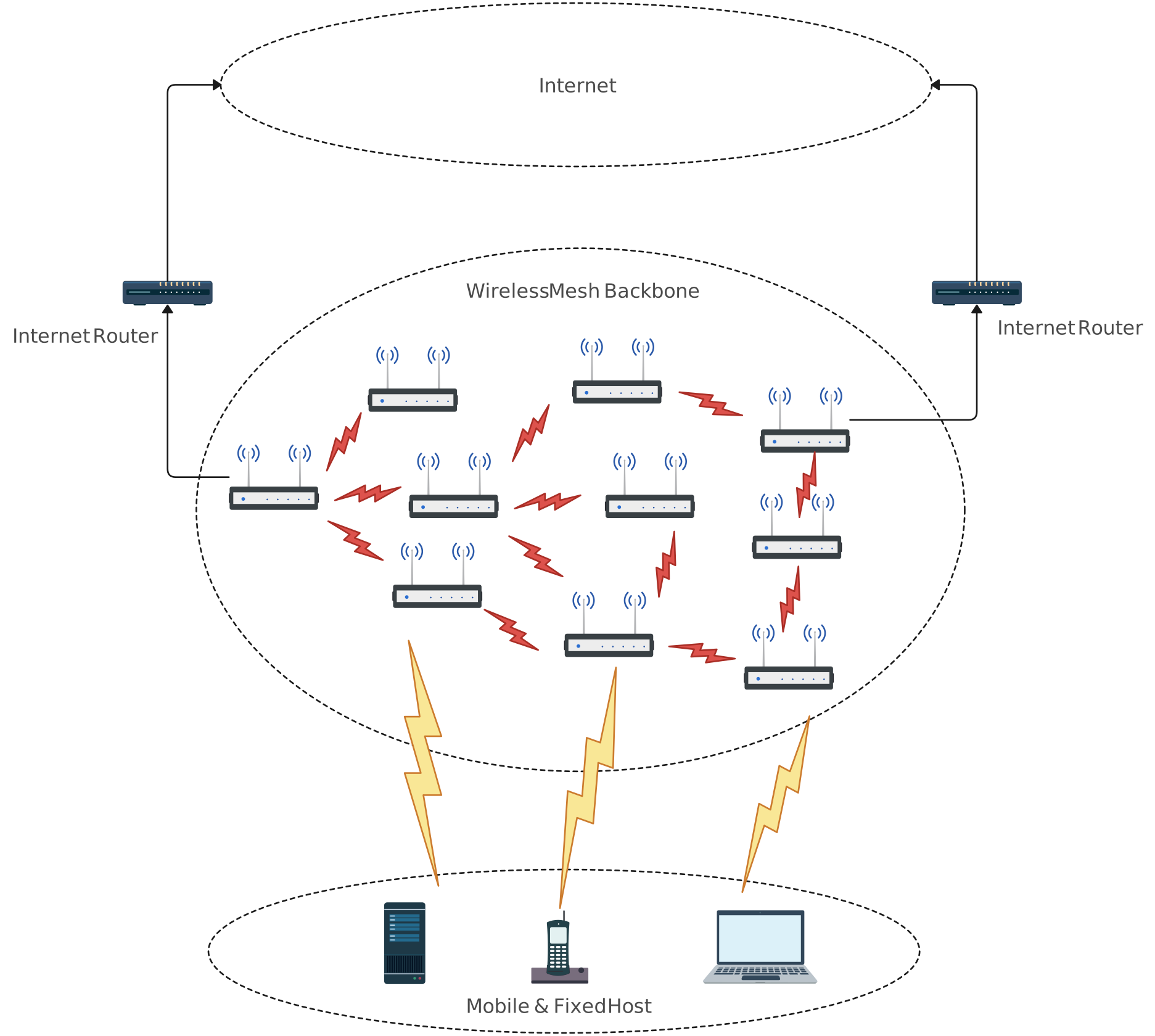
The example depicts a wireless mesh network topology in which nodes connect to multiple neighboring nodes rather than relying on a single central access point. Data can travel across several paths using multi-hop routing, allowing the network to self-heal, extend coverage, and maintain connectivity if a node fails—making this design well suited for smart cities, campus networks, and municipal Wi-Fi deployments.
3. Home & Office Mesh Wi-Fi
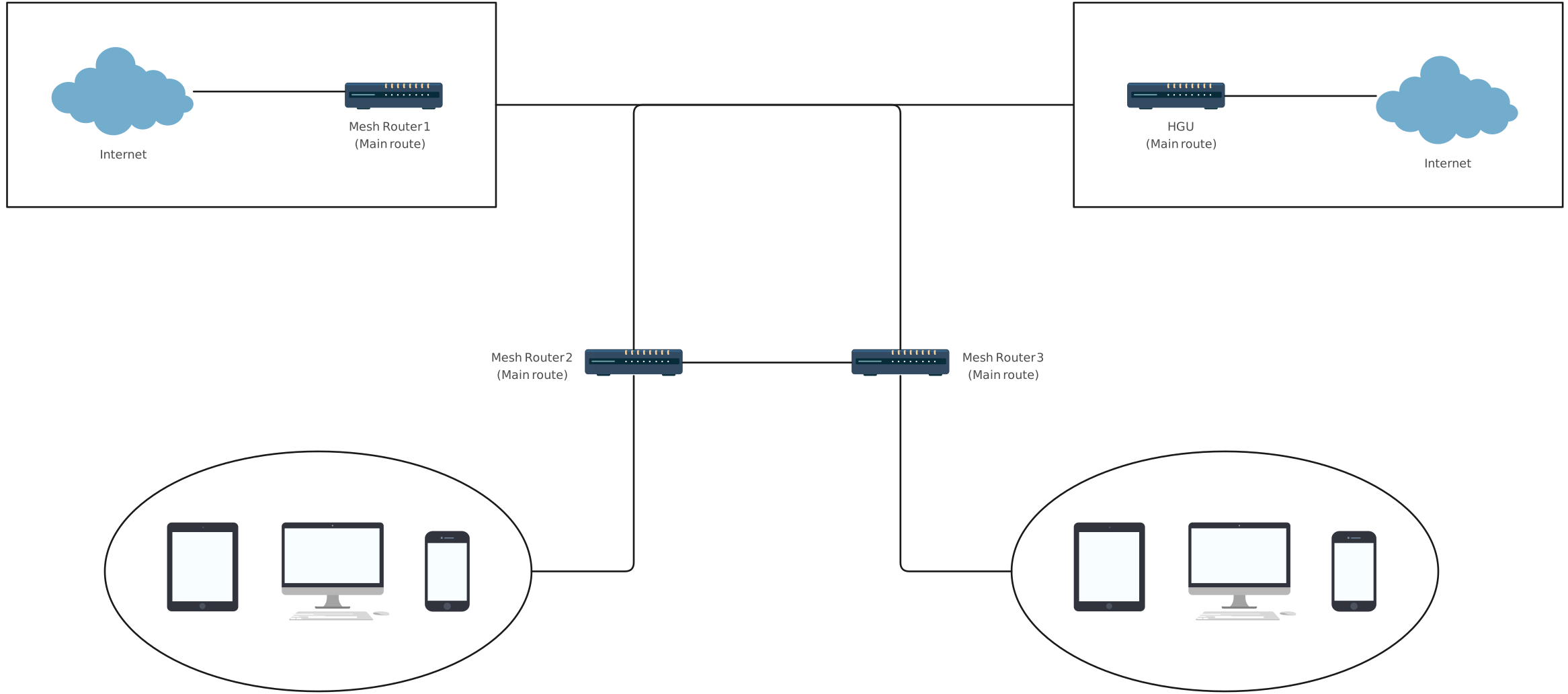
The mesh topology network example shows a home mesh Wi-Fi system where a primary router works with multiple satellite nodes placed around the house to create a single, unified wireless network. Each node communicates with nearby nodes to relay traffic, extending coverage and providing multiple paths for data. This real-world mesh network topology is commonly used in large homes and offices to eliminate dead zones, support seamless device roaming, and maintain stable connectivity without relying on a single access point.
4. Emergency Communication Mesh (LTE + Mesh)
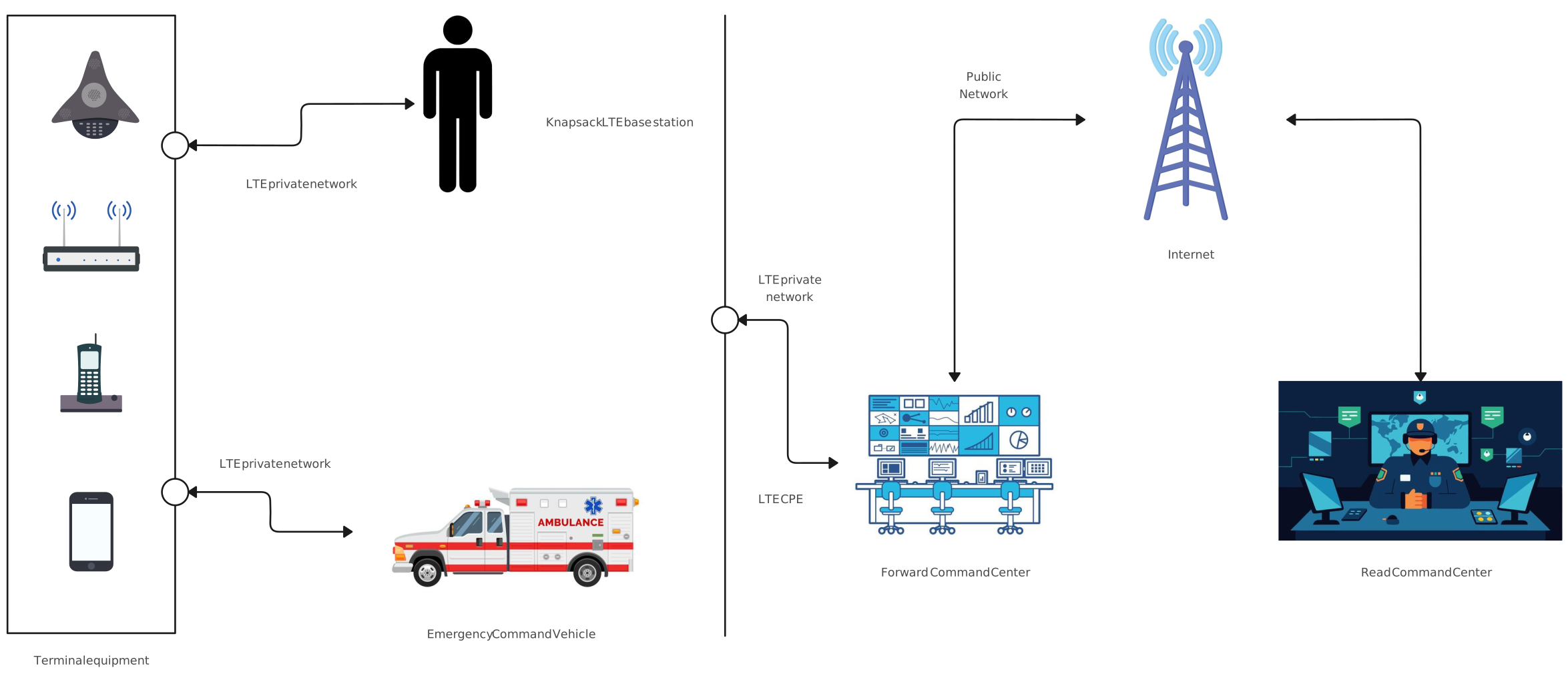
This diagram illustrates an emergency communication network that combines a portable LTE base station with backpack-based mesh nodes to extend coverage beyond cellular range. The mesh network topology enables multi-hop signal relay between the rescue site and command center, ensuring resilient voice, video, and data communication in disaster scenarios such as forest fires, urban rescues, and accidents.
5. Partial Mesh Topology Example for Data Center Interconnections
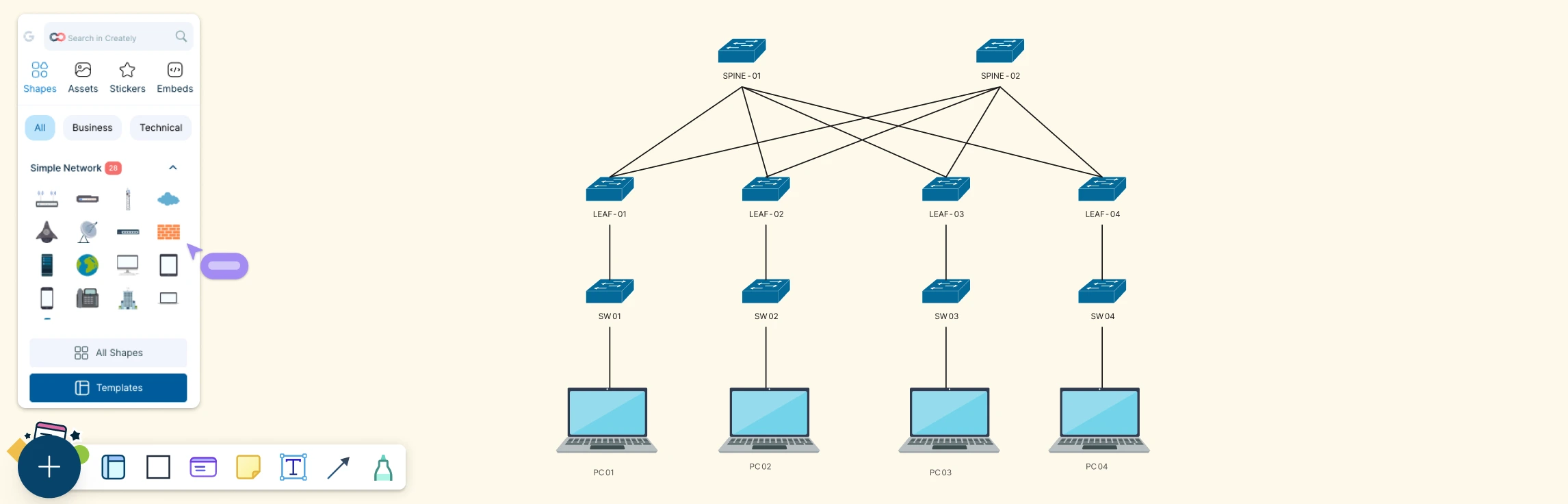
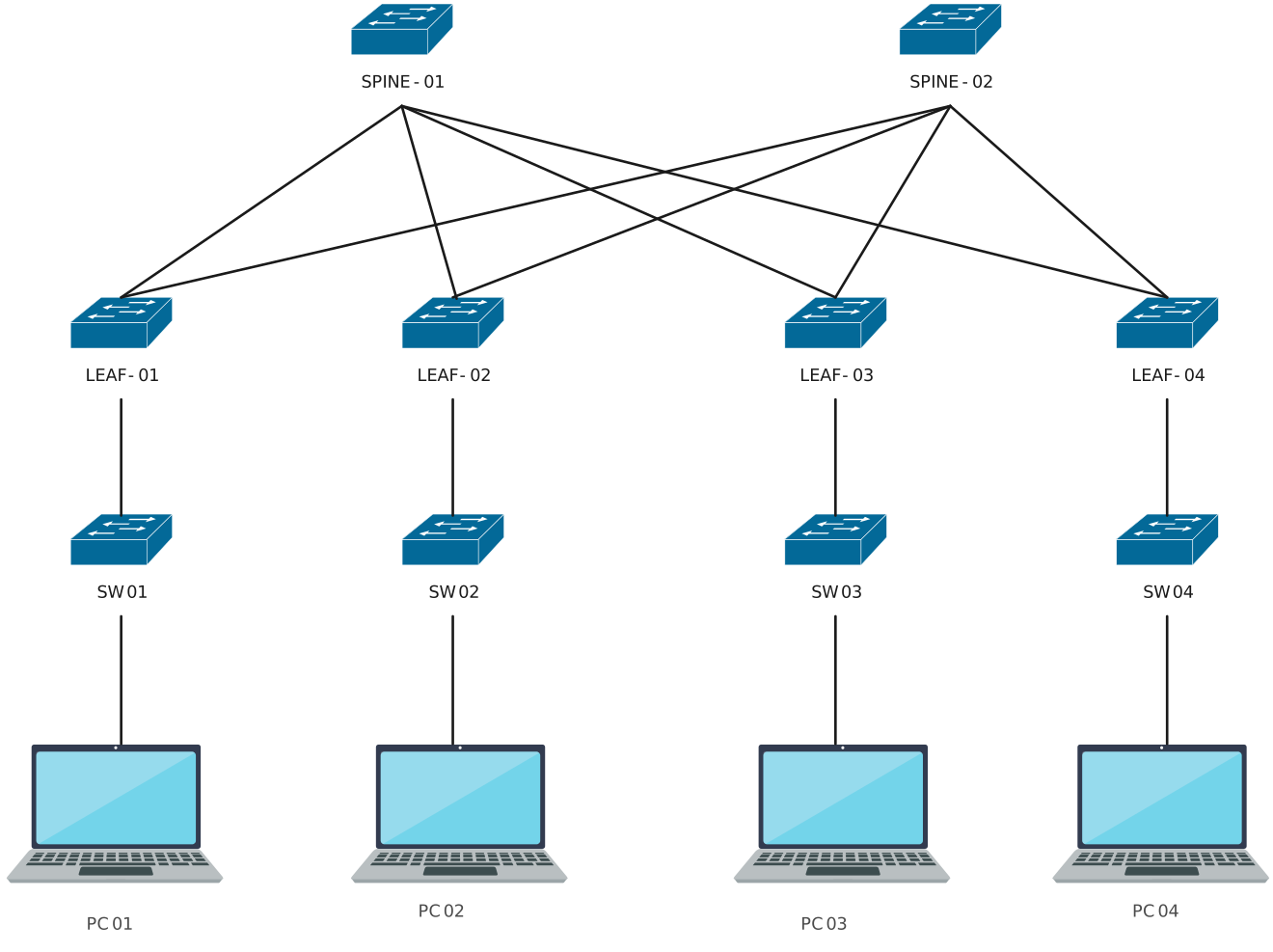
The spine-leaf architecture is a modern data center interconnection model where each leaf switch connects to all spine switches, forming a structured partial mesh. This design provides multiple redundant paths, predictable low latency, and efficient load balancing while avoiding the cost and complexity of a full mesh. As a result, spine-leaf is widely used in cloud and enterprise data centers to support scalable, high-performance traffic.
6. Internet Backbone Mesh
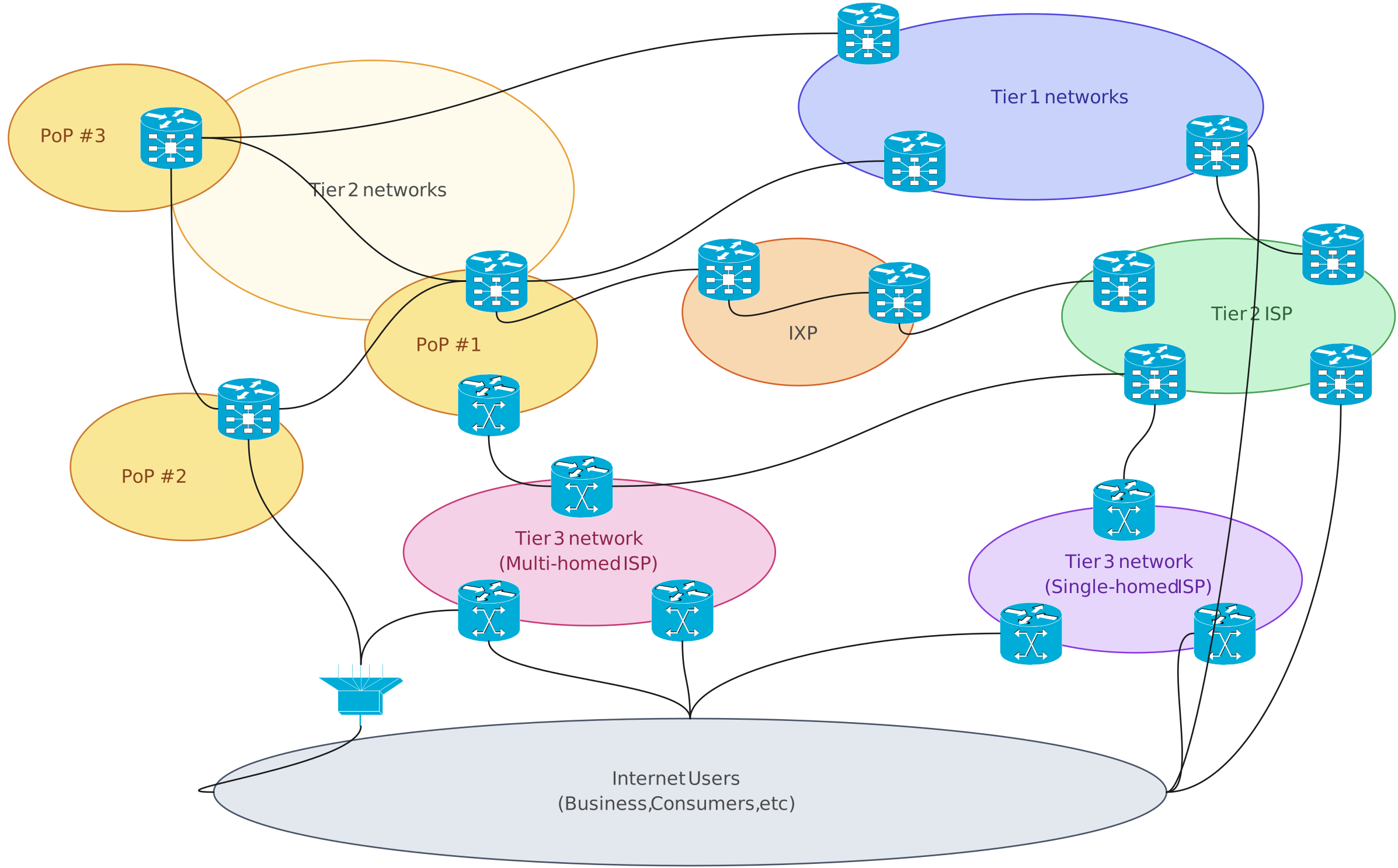
This diagram illustrates Tier 1 and Tier 2 ISP interconnections at the core of the global internet. It shows how major autonomous systems operated by different ISPs are interconnected through multiple peering and transit links, forming a mesh-like structure at the backbone level. The presence of many redundant paths allows traffic to be dynamically rerouted around congestion or failures, improving reliability, performance, and fault tolerance across the global internet.
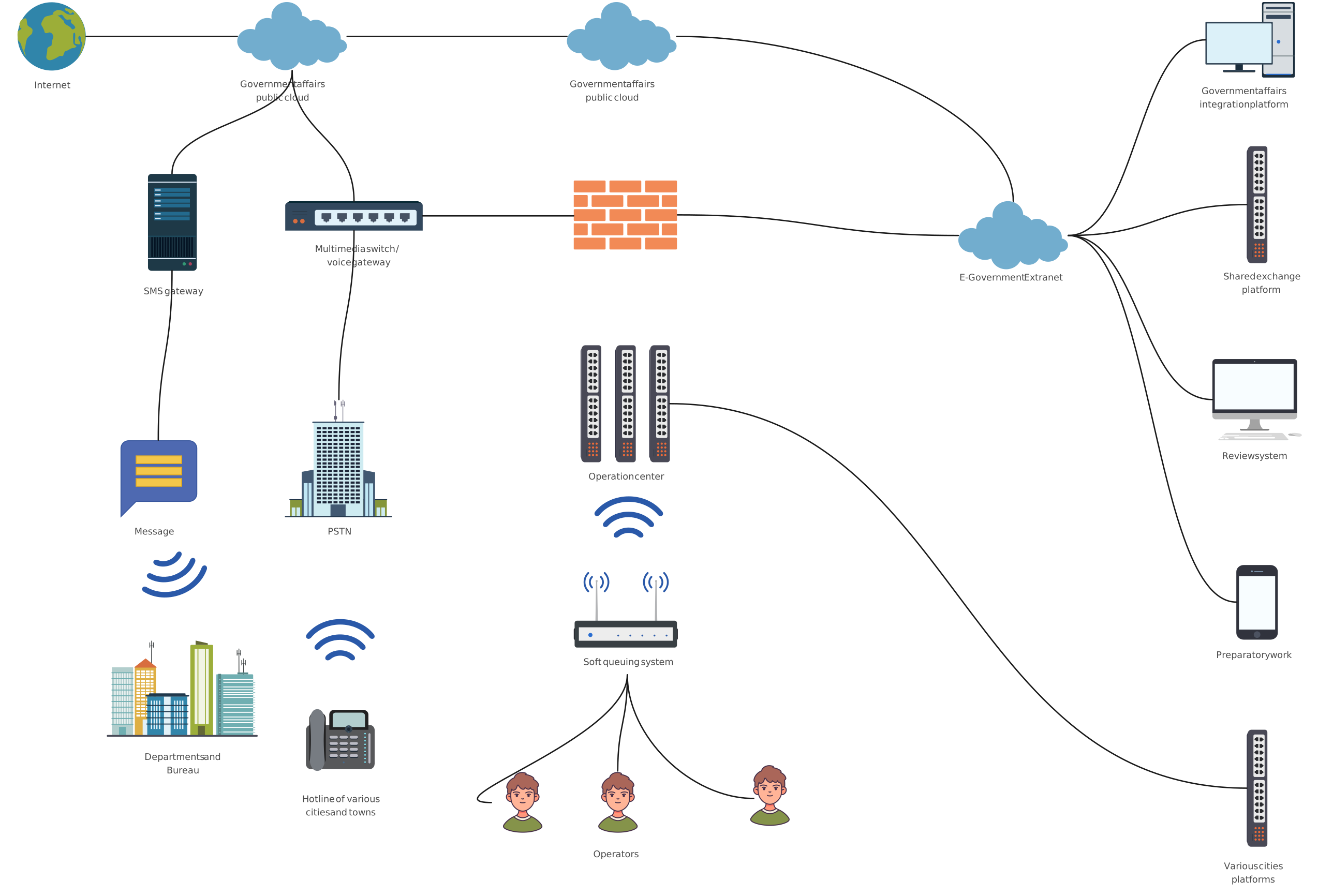
7. Government Cloud Mesh Network
This diagram illustrates a government cloud network designed using a mesh network topology, where multiple data centers and cloud nodes are interconnected through redundant links. The mesh structure allows workloads and data to be routed across several paths, improving availability, resilience, and fault tolerance for critical government services. This type of architecture is commonly used in government and public-sector cloud environments to ensure secure, continuous access even during network disruptions or infrastructure failures.
8. Bluetooth Mesh Network Example
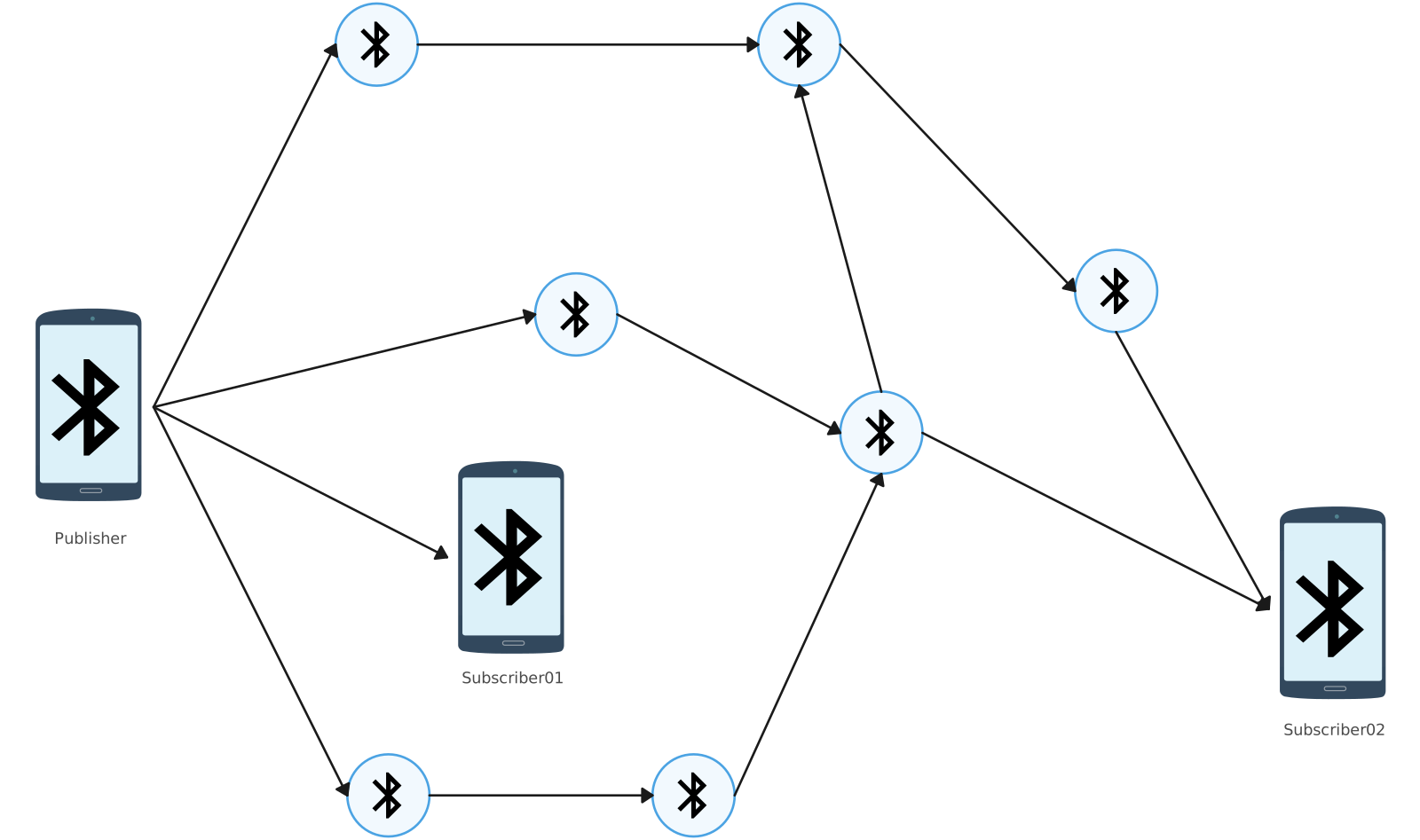
This real world mesh topology example illustrates a Bluetooth Mesh network, where Bluetooth Low Energy (BLE) devices form a decentralized mesh by relaying messages for one another. The many-to-many communication model enables scalable, low-power, and fault-tolerant connectivity, making Bluetooth Mesh well suited for real-world IoT deployments such as smart lighting, building automation, and industrial sensor networks.
9. Vehicular Ad Hoc Network (VANET)
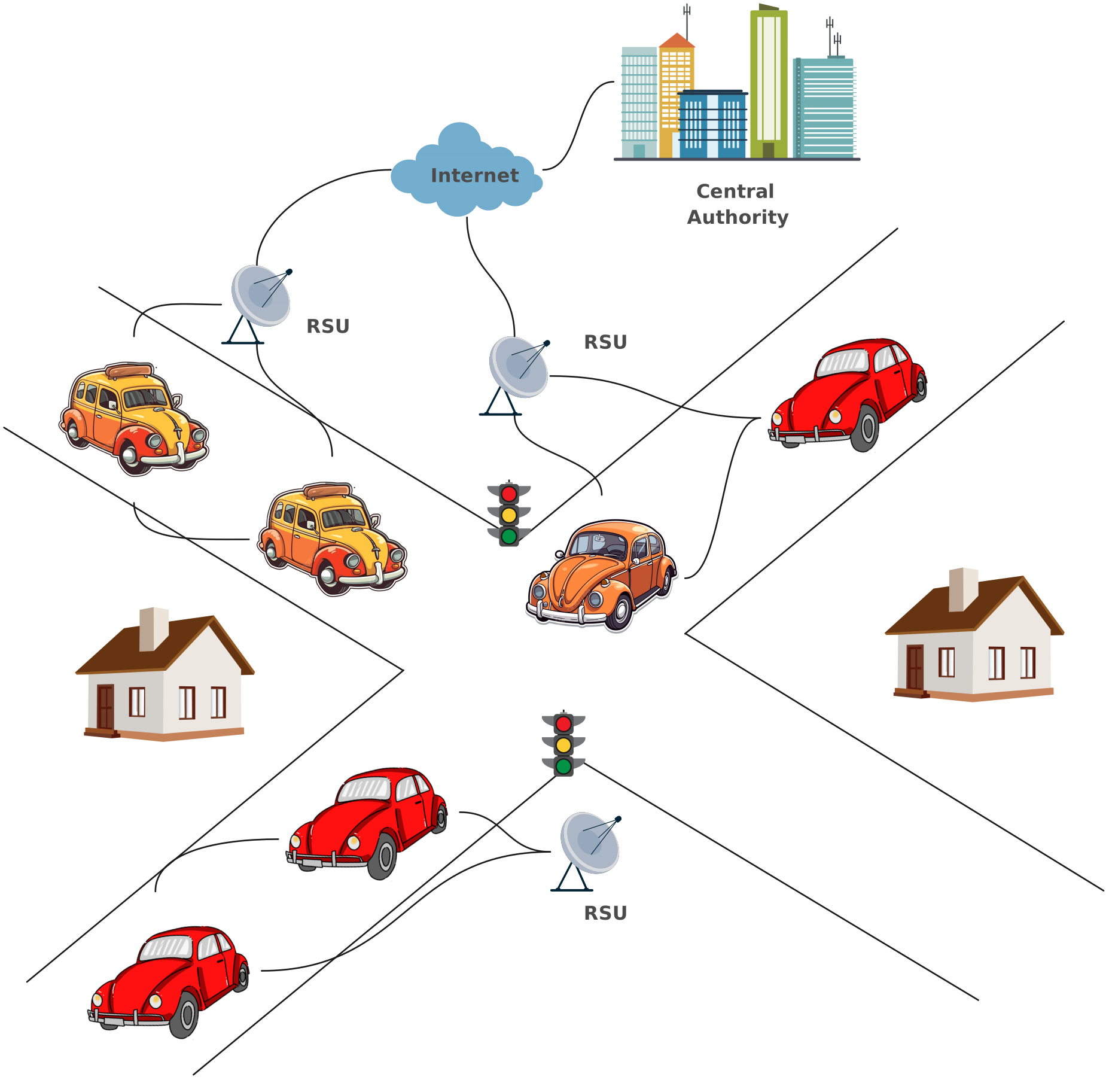
This mesh topology diagram example illustrates a Vehicular Ad Hoc Network (VANET) in which vehicles and roadside units form a dynamic, decentralized mesh network. Nodes communicate directly with nearby peers and relay data across multiple hops, allowing information to propagate even as vehicles move. This mesh-like topology supports resilient, real-time communication for traffic safety, navigation, and intelligent transportation systems.
10. Community Wireless Mesh
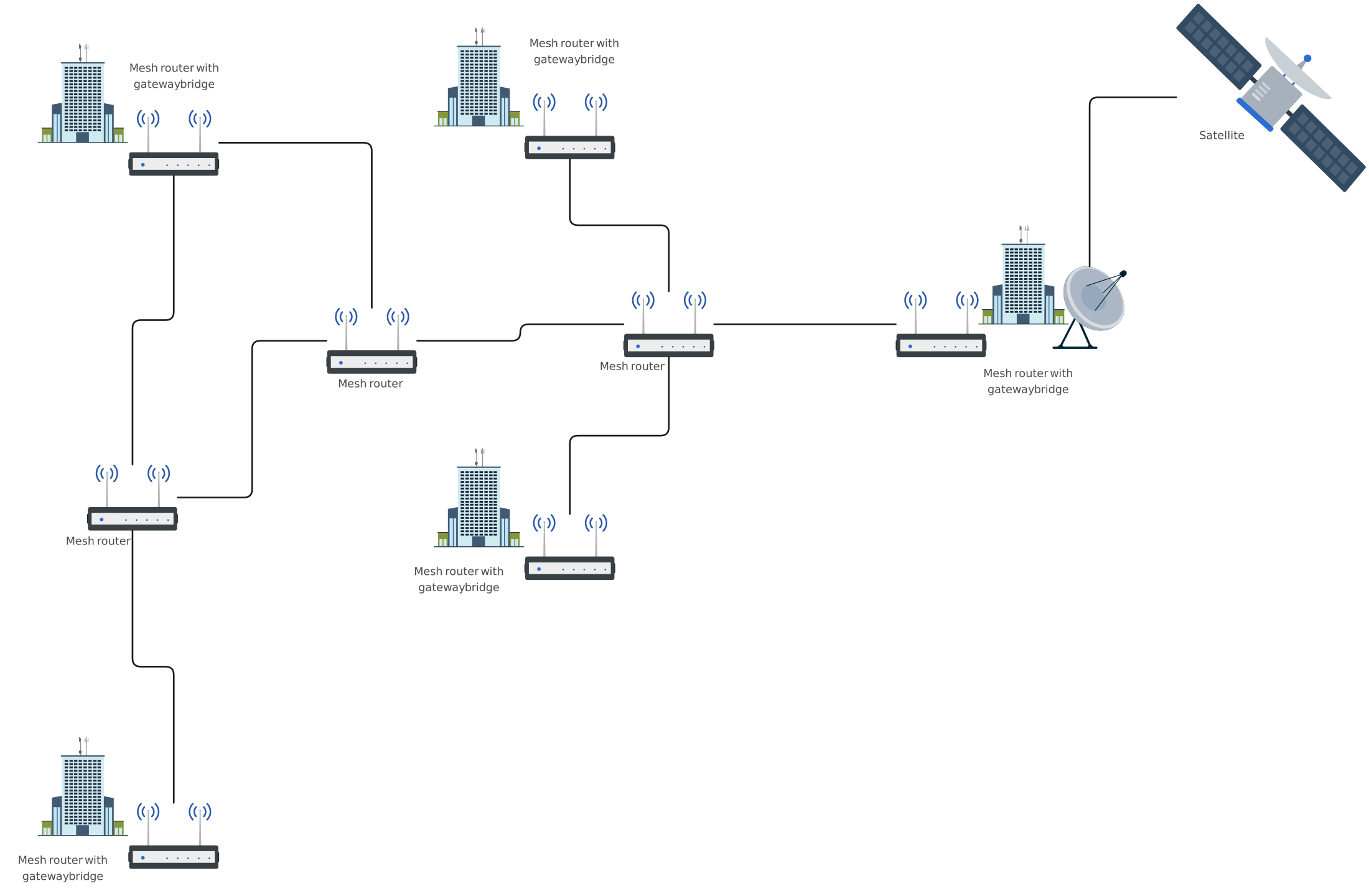
This diagram illustrates a wireless mesh topology network example deployed in a rural community environment. In this setup, multiple wireless nodes interconnect to share internet access across a wide geographic area. Each node forwards traffic for others, allowing the network to extend coverage, adapt to node failures, and operate with minimal centralized infrastructure. This type of mesh network topology is commonly used in community and rural connectivity projects where traditional broadband access is limited.
Helpful Resources for Building Network Diagrams
Learn about the different types of network diagrams with examples.
Discover the different types of network topology and their use cases.
Learn about the Ring Topology, its components, how it works, and its applications.
Learn about the Tree Topology, its characteristics, how it works, and its applications.