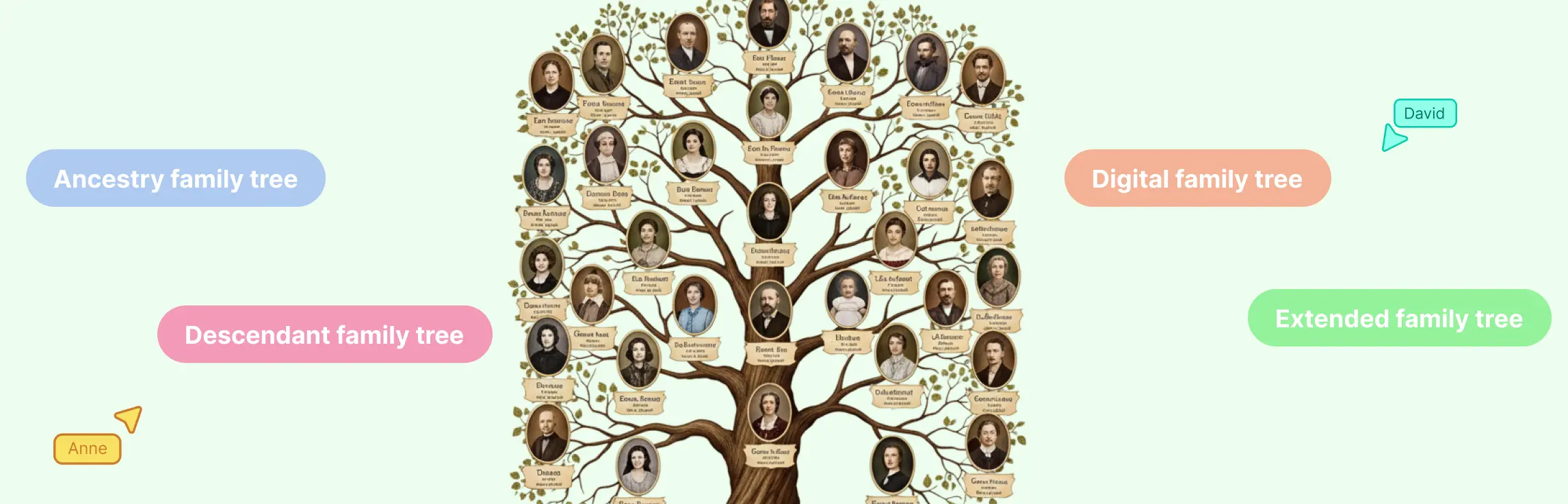
Family trees help people understand family connections, preserve family history, and see how generations are linked over time. Whether you are exploring your ancestry, organizing family information, or simply learning more about your roots, understanding what a family tree is can make the bigger picture much clearer. In this guide, you’ll learn what is a family tree, what it shows, why it matters, and how it is different from other family diagrams like pedigree charts and genograms.
Definition of a Family Tree
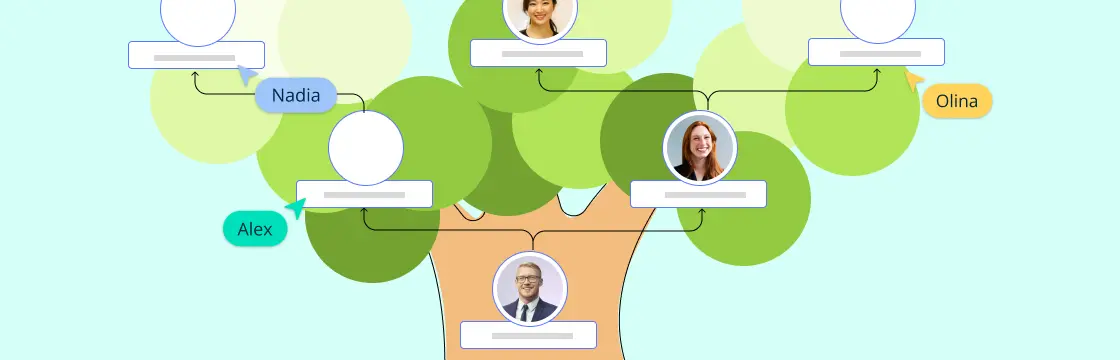
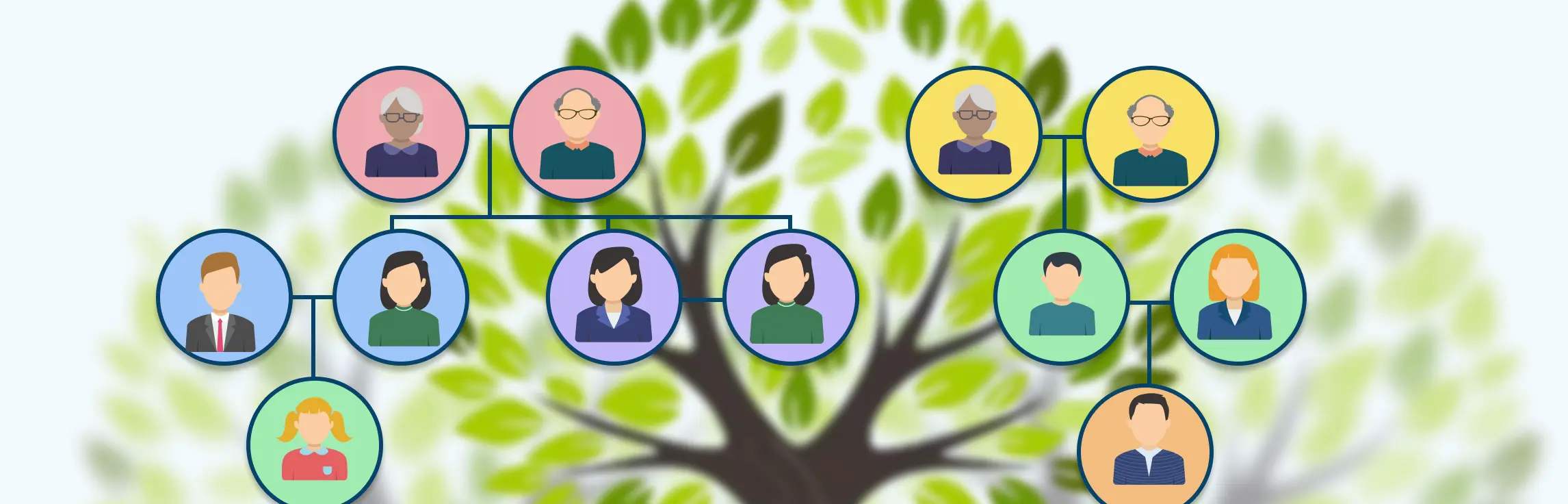
A family tree is a visual chart that shows how people in a family are connected across generations. It maps relationships such as parents, children, siblings, grandparents, and other relatives in a clear structure that is easy to follow. It is often called a family tree because the layout branches outward from one person, couple, or family line, much like the branches of a tree.
A family tree can be very simple or more detailed. Some family tree charts only show names and relationships, while others include birth and death years, places, photos, and short notes. The main purpose is to make family connections easier to understand at a glance.
What Does a Family Tree Show?
A family tree shows how one generation connects to the next. It helps you see who belongs to which branch of the family and how different relatives are related to each other. Instead of reading through long lists of names, you can look at a family tree diagram and understand the structure much faster.
Depending on its purpose, a family tree may show:
- direct ancestors such as parents, grandparents, and great-grandparents
- descendants such as children, grandchildren, and later generations
- extended family members
- marriages or partnerships
- family branches over time
- basic life details like dates and places
Why Is a Family Tree Important?
A family tree is important because it helps organize family history in a way that is easy to understand. It gives people a clearer picture of where they come from, how relatives are connected, and how a family has grown over time. Family trees are also a core part of genealogy and ancestry research because they help bring names, dates, places, and relationships together in one structure.
A family tree can also help people:
- preserve family history
- trace ancestry and lineage
- remember important names and dates
- share family stories with future generations
- understand extended family relationships more clearly
What Is the Difference Between a Family Tree, a Pedigree Chart, and a Genogram?
Now that you know family tree meaning, let’s look at how it differs from other genealogy charts like the genogram and pedigree chart.
| Type | What it is | What it is mainly used for |
| Family tree | A general visual chart that shows how family members are connected across generations. It usually includes parents, children, grandparents, siblings, and extended relatives. | Understanding family relationships, preserving family history, ancestry research, and school projects |
| Pedigree chart | A more structured chart that usually focuses on direct ancestors rather than the full extended family. It is often more formal in layout. | Tracing direct lineage, genealogy research, and sometimes medical or genetic tracking |
| Genogram | A more detailed family diagram that goes beyond basic lineage and includes additional information about family patterns, health history, or relationship dynamics. | Clinical, medical, counseling, social work, and more detailed family analysis |
Family Tree Common Symbols and Conventions
Family trees use a few simple symbols and layout rules to make relationships easy to read. While highly detailed pedigree charts and genograms use more formal standards, most family trees follow the same basic conventions for showing people, couples, siblings, and generations.
| Symbol or convention | What it means |
| Person box or shape | Each person is shown with their own box, shape, or name label. In more standard pedigree-style charts, squares often represent males and circles represent females. |
| Horizontal partner line | A horizontal line between two people usually shows a marriage, couple, or partnership. |
| Vertical line to children | A vertical line drawn down from a couple connects them to their child or children. This is often called a line of descent. |
| Sibling line | Brothers and sisters are usually connected along the same horizontal sibling line, with vertical lines rising to each child. This shows they share the same parent line. |
| Generational levels | People from the same generation are usually placed on the same horizontal level. For example, grandparents go on one row, parents on the next, and children below them. This is one of the main conventions that keeps a family tree easy to follow. |
| Branching structure | A family tree usually starts with one person, couple, or family line and branches outward to show ancestors, descendants, or extended relatives. This branching layout is one reason it is called a family tree. |
| Names and dates | Many family trees include each person’s name and may also include birth and death years to make the chart more informative. Pedigree-style guidance commonly places identifying details alongside the symbol or label. |
| Divorce or separation marker | In more structured family diagrams, a diagonal slash through the partner line may be used to show divorce or separation. |
Simple conventions that make a family tree easier to read
- Keep each generation on the same row.
- Place parents above children.
- Group siblings together under the same parent line.
- Use the same style of names, dates, and lines throughout the chart.
- Keep the layout simple so relationships are clear at a glance.
Family Tree Examples
A family tree example can look very different depending on its purpose.
Some common examples include:
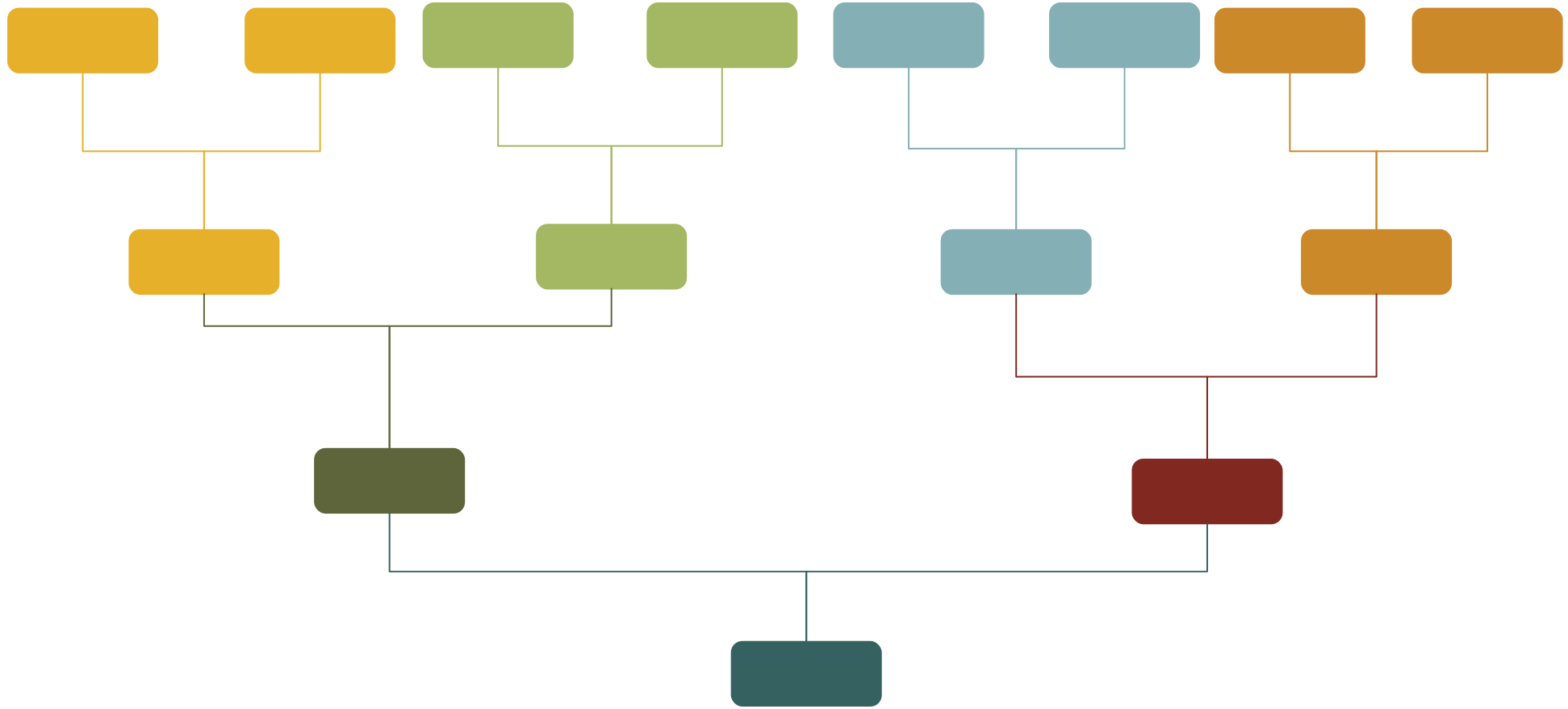
Blank Family Tree

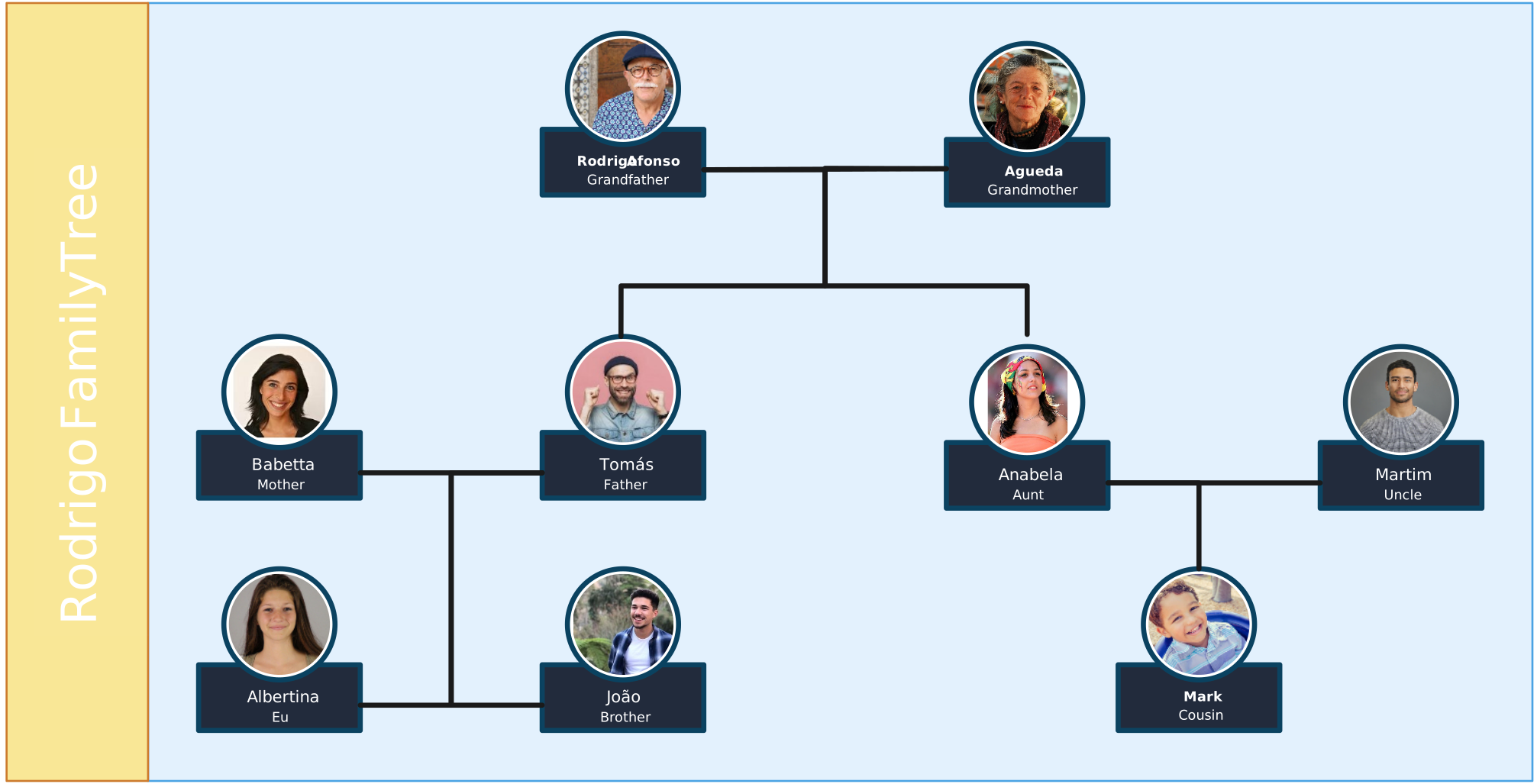
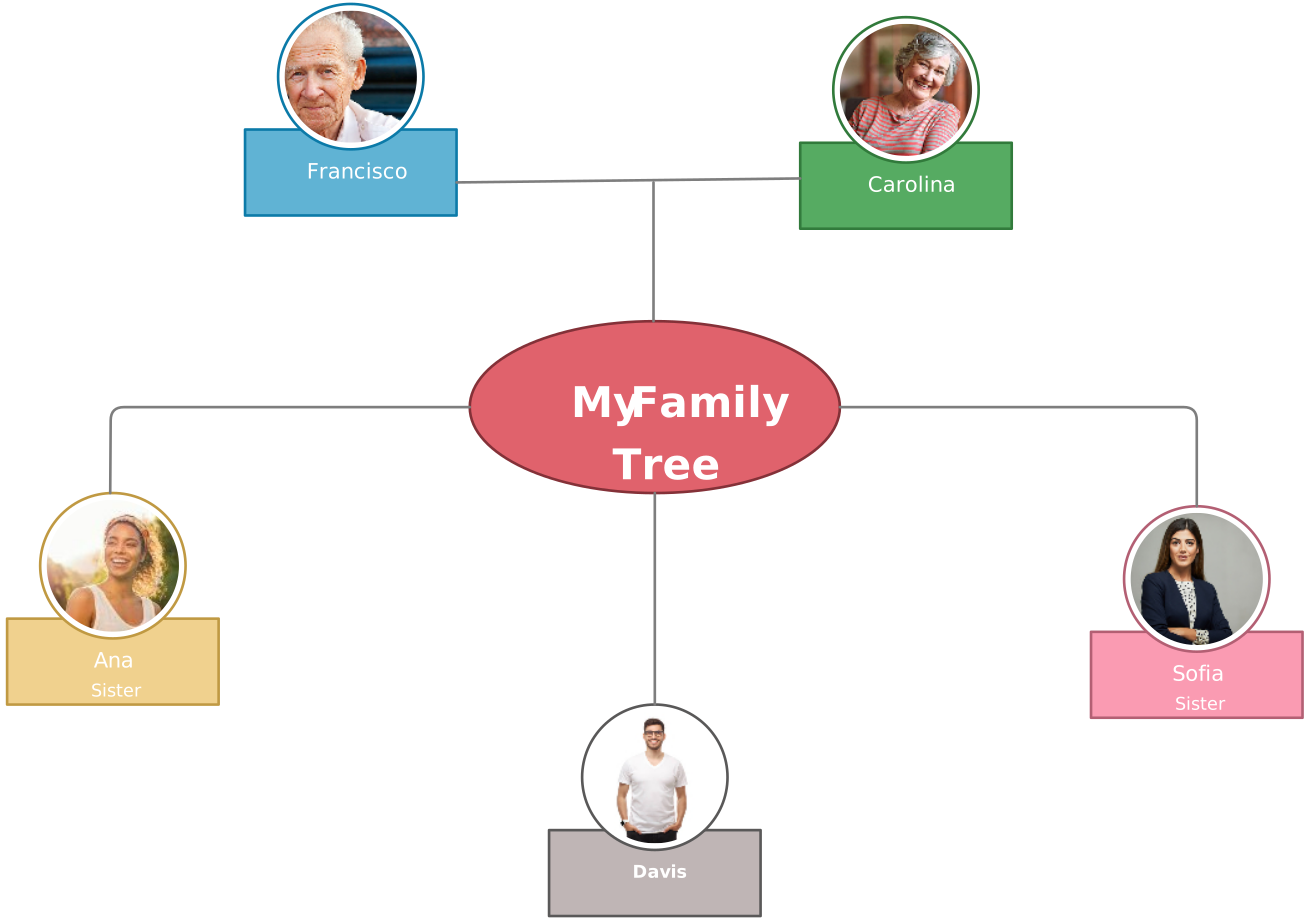
Rodrigo’s Family Tree
Vertical Family Tree Template
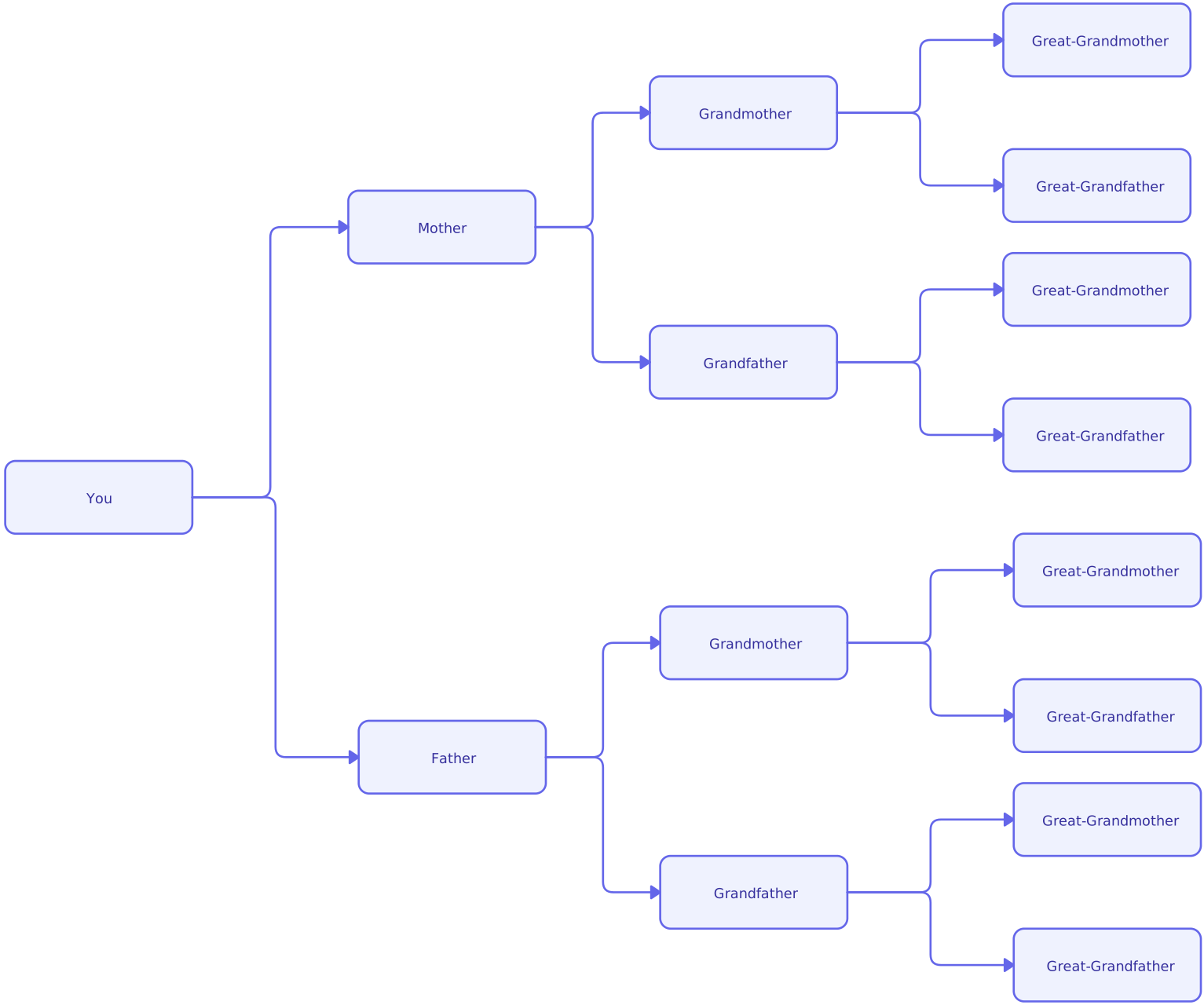
Family Tree Example
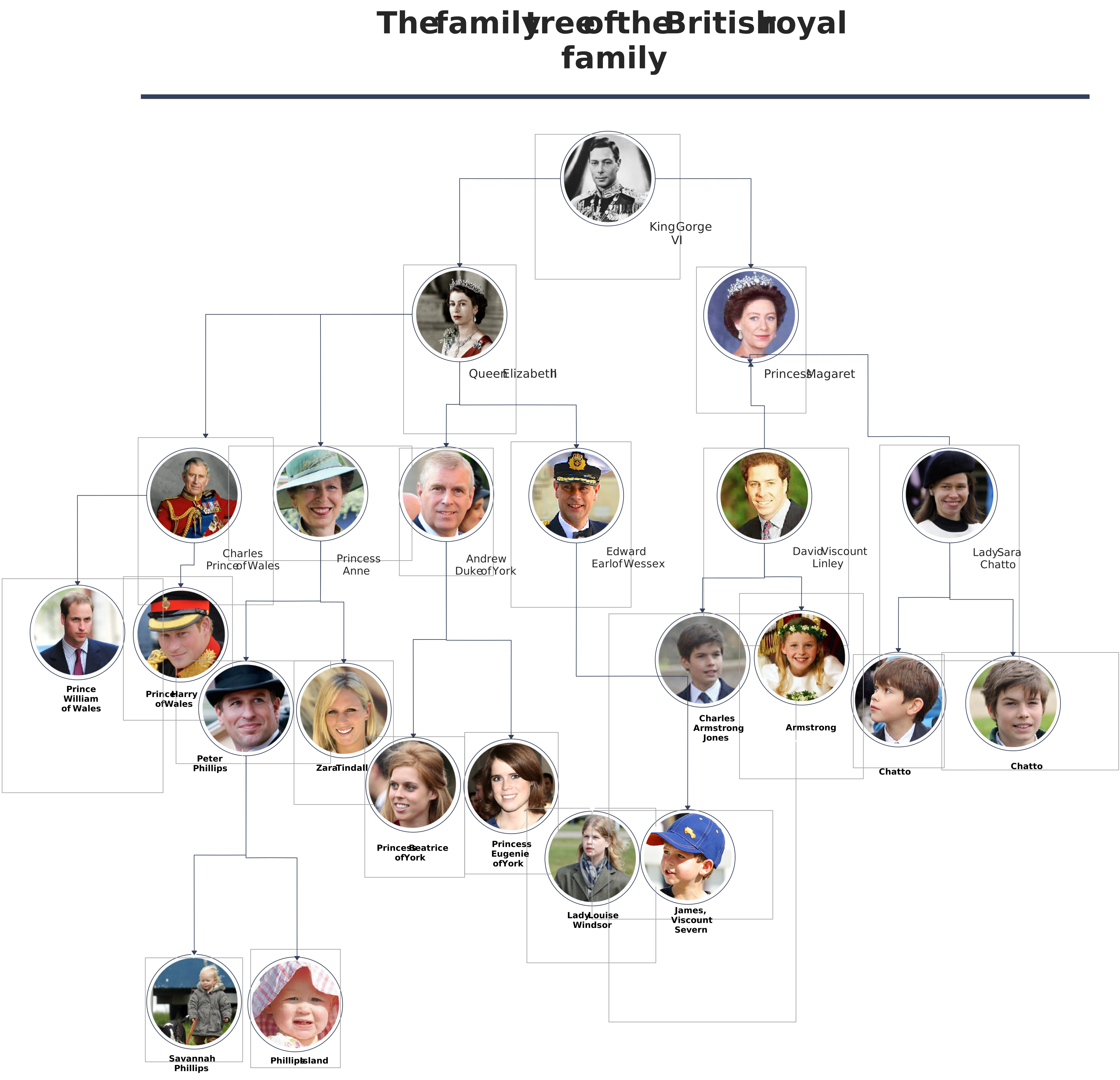
British Royal Family Tree
Helpful Resources
Explore different types of family trees and learn which format works best for your goals.
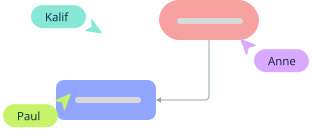
Learn the difference between a genogram and a family tree and when to use each one.
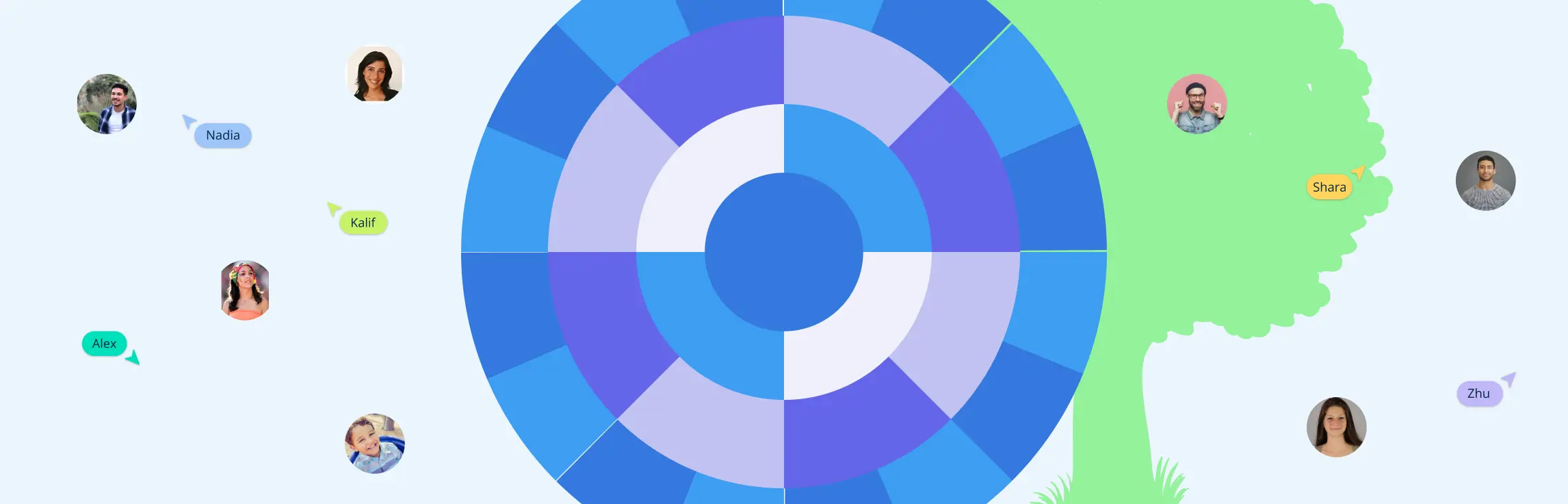
See how a circular family tree works and when it can be a useful alternative layout.
Browse family tree templates designed for showing five family members clearly.
Explore family tree templates for four family members with simple, clear structures.
Find family tree templates for six family members that are easy to customize and expand.